
A Guide to Garden Lodges: Transforming Your Outdoor Space
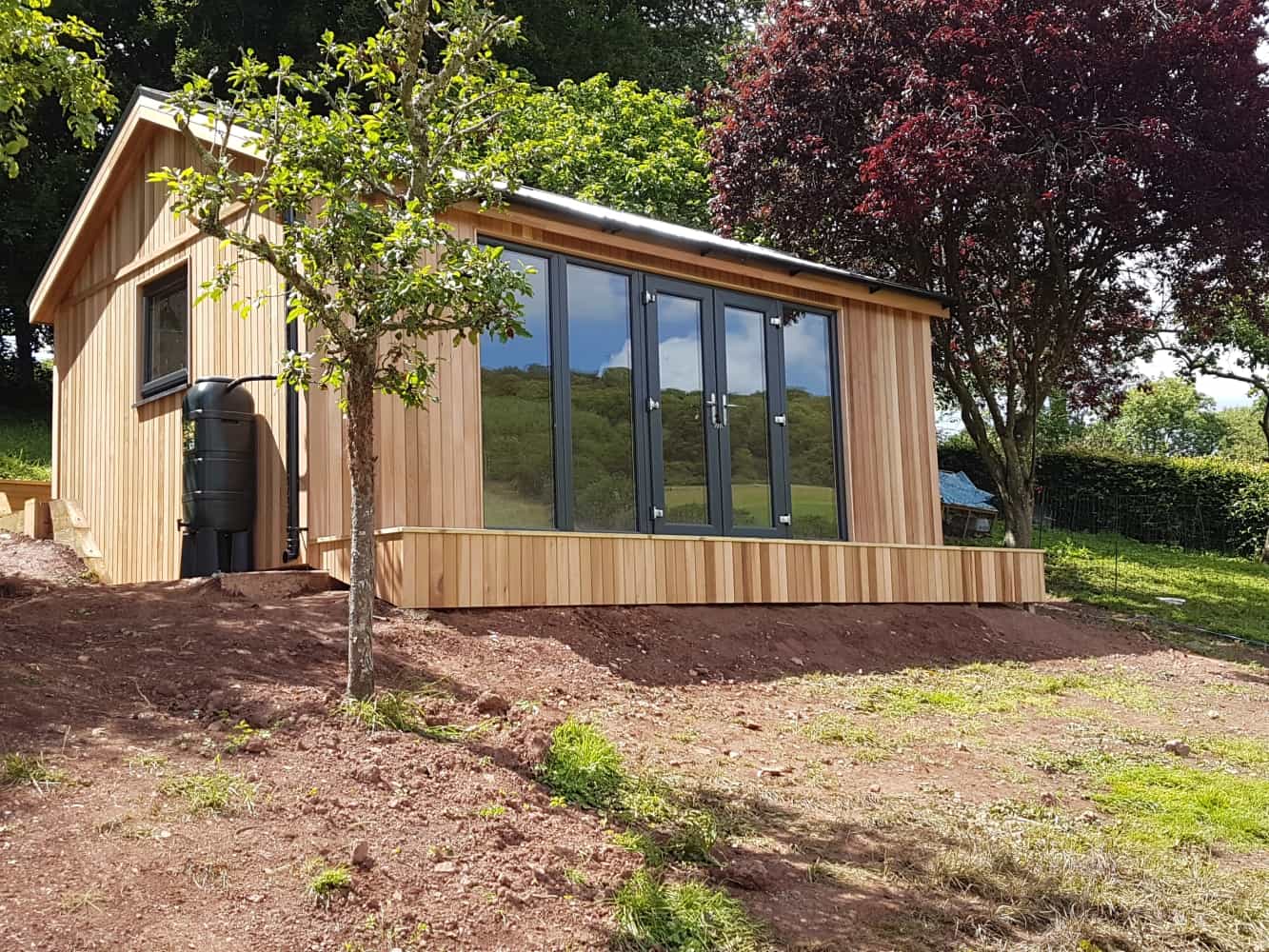
The modern garden is no longer just a patch of grass and a few flowerbeds; it is a vital extension of the home, a place of sanctuary, productivity, and leisure. At the heart of this evolution is the garden lodge, a sophisticated and versatile structure rapidly gaining popularity among homeowners seeking to maximise their property's potential. More robust and stylish than a traditional garden shed, and more adaptable than a conservatory, a garden lodge—often referred to as a garden room, insulated garden office, or luxury garden building—offers a truly bespoke living space right in your backyard. This comprehensive guide will explore every facet of these transformative structures, from their myriad uses and key benefits to the essential considerations of design, installation, and UK planning permission.
What Exactly is a Garden Lodge?
A garden lodge is a premium, standalone outbuilding designed for year-round use. Unlike older, uninsulated garden structures, modern lodges are built using high-quality materials and construction techniques, often mirroring the standards of contemporary house building. This typically includes a solid, insulated base, fully insulated walls, roof, and floor, high-specification windows (often double-glazed), and a connection to mains electricity. The result is a comfortable, dry, and energy-efficient space that remains cool in the summer and warm in the winter, making it a genuine addition to your property’s liveable square footage. The key difference between a lodge and a typical shed is this commitment to full insulation and durability, ensuring a luxurious, usable space 365 days a year.
Unlocking the Versatility: Popular Uses for Your Garden Lodge
The sheer adaptability of a garden lodge is arguably its most significant selling point. For many, it provides the perfect solution to common household dilemmas, particularly the need for more dedicated, quiet space.
The Ideal Garden Office or Studio
With remote and hybrid working becoming the norm, the demand for a dedicated garden office has soared. A lodge provides the essential separation between professional and domestic life. By stepping a few feet away from the main house, you eliminate the distractions of family life, creating a productive, focused work environment. Keywords like insulated garden office, garden studio, and home office log cabin are extremely relevant here. It’s a space where you can take video calls without worrying about background noise, and where you can literally 'commute' a few steps, leaving your work behind at the end of the day.
The Ultimate Home Gym or Fitness Studio
For fitness enthusiasts, a garden gym is a game-changer. Forget expensive monthly memberships or struggling to fit a treadmill into a spare bedroom. A luxury garden building can be purpose-built with reinforced flooring for heavy equipment, offering ample space for cardio, weights, or a peaceful yoga/pilates studio. Having a fully equipped garden gym just a short walk away removes every excuse not to work out, integrating fitness seamlessly into your daily routine.
A Multipurpose Retreat and Hobbies Hub
Beyond work and fitness, a garden lodge serves beautifully as a dedicated space for hobbies and relaxation. Imagine a peaceful garden art studio bathed in natural light, a soundproofed music room, a quiet library, or a cozy reading nook. It can also be designed as the ultimate entertainment space: a garden bar, a 'man cave,' a 'she shed,' or a fantastic games room complete with a pool table and home cinema setup. This versatility ensures the investment remains valuable, adapting as your lifestyle needs change over the years.
Creating Extra Accommodation: Guest Suites and Granny Annexes
While the primary use is usually ancillary to the main house, a garden lodge can, subject to planning permission and building regulations (a crucial point we’ll cover later), serve as additional sleeping accommodation. This is particularly appealing for creating a private guest room, a teenager's den, or a granny annexe for an elderly relative. When designed to be self-contained, these structures can significantly increase the functional living space of your property, though the change in use to a separate dwelling is subject to stricter legal requirements.
The Key Benefits of Investing in a Garden Lodge
Choosing a high-quality garden lodge over a traditional extension or cheaper outbuilding brings a host of tangible benefits.
Significantly Increasing Property Value
A well-designed, fully insulated, and professionally installed garden room is a significant asset that can substantially increase your property's market value. Unlike an extension, which can be disruptive and lengthy, a lodge is a desirable, ready-made, functional space that appeals to modern buyers. The return on investment for a premium garden building is often highly favourable.
Year-Round Comfort with Full Insulation
The core advantage lies in the construction. Modern insulated garden buildings use techniques like Structural Insulated Panels (SIPs) or high-grade timber frame construction with superior insulation materials. This level of insulation, combined with double-glazing and often internal heating, ensures the interior remains a comfortable and regulated temperature regardless of the external weather. This is what truly differentiates a lodge from a summerhouse and makes it a viable, year-round workspace or retreat.
Avoiding the Disruption and Cost of a Home Extension
A traditional home extension is notoriously stressful, involving weeks or months of builders in your main house, significant mess, and high costs. A garden lodge installation, by contrast, is far less disruptive. The construction often takes place entirely outside, and the build time is typically much shorter, meaning you can be enjoying your new space in a matter of weeks, not months.
Aesthetically Pleasing and Fully Customisable Design
Modern garden lodge designs are stunning, featuring sleek lines, large bi-fold or sliding doors, and high-quality external cladding options such as natural wood, composite, or rendered finishes. This allows for a structure that is not only functional but also a beautiful architectural feature in your garden. The interior is a blank canvas, offering full customisation for lighting, flooring, electrics, and plumbing to perfectly suit its intended purpose, whether it’s a bright garden art studio or a corporate-style garden office.
Design and Build Considerations: Creating Your Perfect Garden Retreat
Before you commit to a build, careful planning is essential. The right decisions now will ensure your garden lodge meets your needs for years to come.
Site Location and Aspect
Consider where the garden building will be situated. Does it need to be close to the main house for easy access, or is privacy the priority? The direction it faces is also critical. A garden office might benefit from North-facing light (which is consistent and soft, ideal for screen work) or large East-facing windows to catch the morning sun. South or West-facing structures will receive the most sun and will require excellent insulation, glazing, and possibly air conditioning to prevent overheating during summer.
Size and Layout for Small Gardens
Even smaller gardens can accommodate a stylish and functional garden pod. For compact spaces, a corner garden building is an excellent choice, making use of typically under-utilised areas. Clever interior design in small garden rooms is key, employing features like vertical storage, multi-functional furniture (such as sofa beds or fold-down desks), and light, neutral colour palettes to create the illusion of space. Large expanses of glass, such as sliding or bi-fold doors, also help to seamlessly merge the interior with the garden, enhancing the feeling of openness.
Foundations and Services
A durable garden lodge requires a robust foundation. Options include concrete bases, timber frames on concrete pads (piers), or ground screw systems. Ground screws are often preferred for their minimal disruption and ability to be installed on uneven ground. Electrics are a must for any year-round space. This will involve running an armored cable (SWA) from the main house consumer unit to a new consumer unit in the lodge. For kitchens or bathrooms, plumbing connections to water and waste will also be necessary, adding to the complexity and cost of the installation.
Material Quality: Insulation and Cladding
Focusing on insulation is non-negotiable for a garden lodge. Ensure the roof, walls, and floor are all fully insulated. High-performance double-glazed or triple-glazed windows and doors are essential for thermal efficiency and security. For external finishing, popular cladding choices include Western Red Cedar (highly durable and aesthetically rich), Siberian Larch, or composite cladding (low-maintenance and long-lasting). The choice of materials will significantly impact both the longevity and the final look of your luxury garden building.
The Essential Guide to UK Planning Permission for Garden Lodges
One of the most frequently asked questions concerns garden room planning permission in the UK. The good news is that most garden lodges are built under Permitted Development (PD) rights, meaning a full planning application is not required, provided the structure adheres to specific size, height, and use limitations.
Key Permitted Development Rules (UK)
-
Height: If the building is within 2 meters of any boundary, the maximum eaves height must not exceed 2.5 meters. The overall height (with a flat roof) cannot exceed 2.5 meters. If the building is more than 2 meters from a boundary, a pitched roof can be up to 4 meters high, and any other roof up to 3 meters high.
-
Location: The building must not be erected forward of the 'principal elevation' (the front wall) of the house.
-
Area: The outbuilding must not cover more than 50% of the original garden area (the area around the house as it was when first built or as it stood in 1948).
-
Use: This is the most critical point. To qualify for PD, the garden lodge must be 'ancillary' to the main dwelling, meaning its use is secondary and supports the main house (e.g., an office, gym, or storage).
When Planning Permission IS Required
You will need planning permission if:
-
It is for use as a Separate Dwelling: If the garden lodge is intended to be a separate, self-contained place of residence (like a rented apartment or a fully independent home for a non-dependent relative), or if it includes permanent sleeping accommodation, it will be classified as a separate dwelling and a full planning application is required. This also triggers Building Regulations compliance.
-
It exceeds the height or area limits mentioned above.
-
Your property is on 'Designated Land': This includes National Parks, Areas of Outstanding Natural Beauty (AONBs), the Broads, and World Heritage Sites.
-
The property is a Listed Building or located in a Conservation Area.
-
There are restrictive covenants on your property deeds.
Crucial Advice: Always consult with your local planning authority or a specialist garden room supplier before starting any construction to ensure full compliance. While this article provides a general overview, local rules can vary, and a specialist will be able to provide the most accurate advice for your specific location and plan.
Conclusion: Your Garden Lodge Awaits
The garden lodge represents an exciting and highly functional way to expand your home without the stress and expense of traditional building work. From providing the perfect insulated garden office to becoming a luxurious garden gym or a peaceful retreat, these versatile structures are truly a modern solution to the need for more space, quiet, and comfort. Investing in a high-quality, fully insulated, and aesthetically pleasing luxury garden building is not just an investment in extra space; it is an investment in your lifestyle and the long-term value of your property. By considering the essential elements of design, usage, and planning regulations, you can embark on the journey of creating your ultimate outdoor sanctuary and unlock the full, year-round potential of your garden.
Frequently Asked Questions (FAQs) about Garden Lodges
Q: Is a garden lodge the same as a garden room or log cabin? A: The terms are often used interchangeably, but a 'garden lodge' or 'garden room' typically implies a more permanent, fully insulated, and high-specification structure designed for year-round use, often built to modern construction standards. A 'log cabin' or 'summerhouse' can be less robust and may not be fully insulated for comfortable winter use.
Q: Do garden lodges need to comply with UK Building Regulations? A: Generally, a detached garden room that is less than 15 square metres in floor area and contains no sleeping accommodation is exempt from Building Regulations. If it is between 15 and 30 square metres, it must be built at least 1 metre from any boundary to be exempt. If the lodge includes sleeping accommodation or is over 30 square metres, it will require full Building Regulations approval, regardless of planning permission status.
Q: How long does it take to build a garden lodge? A: The total time can vary based on size and complexity (e.g., if plumbing is involved), but typically, from the groundworks starting, most prefabricated or bespoke insulated garden buildings can be fully installed and ready for use in two to eight weeks, significantly faster than a traditional home extension.
Q: Can I use a garden lodge as an Airbnb rental? A: No. Using a garden lodge as a separate commercial dwelling (like an Airbnb) constitutes a material change of use and will almost certainly require full planning permission and adherence to Building Regulations. This is a distinction from its ancillary use (e.g., a guest room for friends and family).
Q: Will a garden lodge add value to my home? A: Yes, a professionally built, high-quality, and fully insulated garden lodge is widely considered a desirable feature and can add significant value to your property, particularly when it provides a year-round, dedicated space like a garden office or gym.