
Bespoke Garden Offices: Tailored Garden Buildings for Modern Living
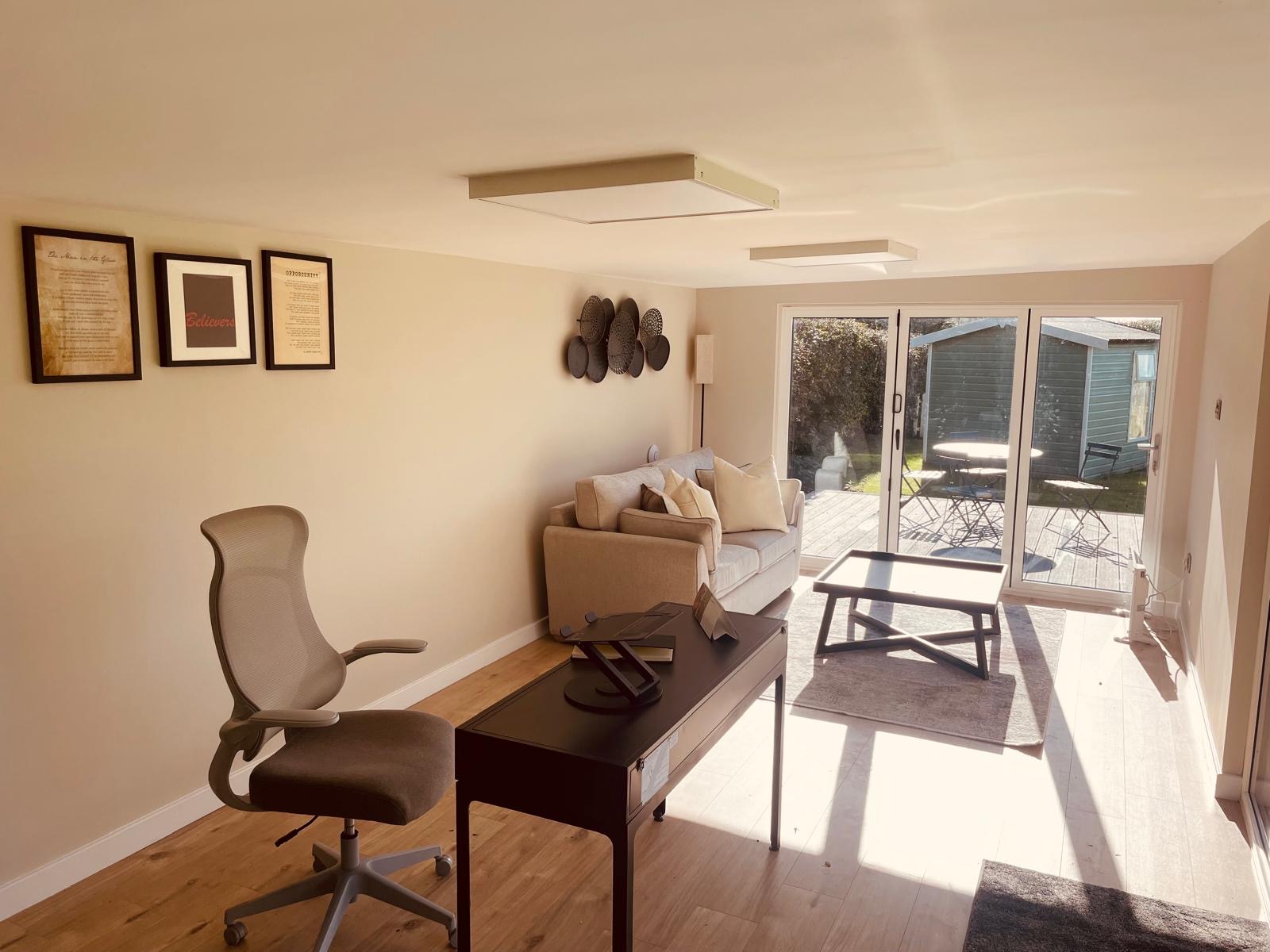
As more people embrace flexible working and creative lifestyles, bespoke garden offices have become one of the most sought-after garden buildings of the decade. They offer the perfect blend of practicality, design, and comfort — all set within the tranquil environment of your own garden. Whether you’re looking to create a peaceful home office, a creative studio, or a multifunctional outdoor workspace, a bespoke garden office can transform the way you live and work. In this comprehensive guide, we’ll explore everything you need to know about bespoke garden offices — from design considerations and materials to planning permission, insulation, and interior design. You’ll discover why these custom-built garden buildings are not only a trend but a long-term investment in comfort, productivity, and property value.
What Is a Bespoke Garden Office?
A bespoke garden office is a purpose-built, freestanding structure designed and tailored to your specific requirements. Unlike mass-produced or prefabricated garden rooms, a bespoke garden office is fully customized — from layout and dimensions to materials, finishes, and internal features. It’s an extension of your home, yet detached, offering privacy and separation from household distractions. Typically built within your garden space, these offices are part of a broader category known as garden buildings — structures that include studios, gyms, summer houses, and guest lodges. However, bespoke garden offices stand out for their precision design, all-season usability, and ability to blend seamlessly into any landscape.
Why Bespoke Garden Offices Are So Popular
The rise of remote and hybrid working has reshaped how people view their living environments. Homeowners now seek flexible, private, and inspiring spaces to work — and bespoke garden offices meet that demand perfectly. They eliminate commuting time, improve work-life balance, and enhance productivity. Beyond work, they double as versatile garden buildings that can serve as creative studios, reading nooks, or even relaxation retreats after hours. The popularity of bespoke garden offices also comes from their aesthetic value. Tailored to complement your home and garden design, they create a harmonious connection between indoor and outdoor living. Moreover, as more people invest in their properties, a high-quality garden building adds tangible value and lifestyle appeal.
The Benefits of a Bespoke Garden Office
1. Designed Just for You
A bespoke garden office is built around your exact needs. You can choose the size, layout, materials, glazing, lighting, and interior design to match your taste and functionality. Unlike off-the-shelf garden buildings, every element is tailored to your specifications.
2. A Better Work-Life Balance
Having a dedicated garden workspace creates a clear boundary between home and work. You can leave the distractions of household life behind while remaining close to home.
3. Year-Round Comfort
A bespoke garden office is constructed with premium insulation, double or triple glazing, and efficient heating systems, ensuring you can work comfortably through every season.
4. Increases Property Value
Investing in a high-quality garden building enhances your property’s value by offering a desirable, multifunctional feature. Many buyers now view garden offices as essential additions rather than luxury extras.
5. Sustainable and Energy Efficient
Bespoke garden offices can be built with eco-friendly materials, solar panels, and sustainable insulation — reducing environmental impact and long-term running costs.
6. A Multi-Purpose Space
Your bespoke garden office doesn’t have to be purely for work. It can double as a gym, art studio, guest room, or entertainment lounge, adapting as your lifestyle changes.
Design Considerations for Bespoke Garden Offices
Designing your own garden office is an exciting opportunity to blend creativity with functionality. Here’s what to consider:
Size and Layout
The size of your bespoke garden office will depend on your garden space and intended use. A compact 2.5m x 3m room might suit a single workstation, while larger garden buildings could accommodate multiple desks, a meeting table, or even a small lounge area.
Style and Aesthetics
Choose a design that complements your home’s architecture and garden environment. Modern garden offices often feature clean lines, large glass doors, and minimalistic cladding, while traditional designs might include timber finishes and pitched roofs.
Natural Light
Maximize light with bi-fold or sliding glass doors and skylights. Natural light boosts productivity and creates a connection between your workspace and the outdoors.
Insulation and Ventilation
Proper insulation is crucial for year-round use. Opt for high-quality walls, roof, and floor insulation, combined with energy-efficient glazing. Ventilation systems or operable windows help regulate temperature and air quality.
Interior Design
Think about ergonomics and comfort. Include built-in furniture, smart storage, and comfortable lighting. Neutral colors and natural textures can make your bespoke garden office feel calm and inviting.
Outdoor Integration
Landscaping can enhance the appeal of your garden building. Add decking, pathways, or surrounding plants to make the transition between your garden and office seamless.
Materials Used in Bespoke Garden Offices
The materials you choose define the longevity, aesthetics, and sustainability of your garden building. Common options include:
-
Timber: A timeless choice that blends naturally with garden settings. Cedar, larch, and redwood are popular for their beauty and weather resistance.
-
Composite Cladding: Offers durability with low maintenance and is available in a wide range of colors and finishes.
-
Aluminium or Steel Frames: Provide strength and modern styling for contemporary garden office designs.
-
Glass: Large glass panels or floor-to-ceiling windows create a bright, airy atmosphere.
-
Eco-Insulation: Materials such as sheep’s wool, recycled insulation boards, or cork improve energy efficiency.
Planning Permission and Regulations
Most bespoke garden offices fall under permitted development rights, meaning you usually won’t need planning permission as long as you follow these conditions:
-
The garden office is single-storey and under 2.5m in height if within 2m of a boundary.
-
The building takes up less than 50% of your total garden area.
-
It is used for incidental purposes (such as work or leisure) and not as a primary living space.
If your home is listed, in a conservation area, or has restricted development rights, you may need permission. Always confirm with your local authority before starting your project.
The Process of Building a Bespoke Garden Office
A bespoke garden office is typically completed in several stages:
-
Consultation and Design: You’ll work with designers to specify dimensions, materials, and layout.
-
Site Preparation: The garden area is cleared and foundations are installed, usually a concrete slab or ground screw base.
-
Construction: The frame, walls, roof, and glazing are assembled.
-
Insulation and Finishing: Interior insulation, cladding, and flooring are added.
-
Electrics and Heating: Lighting, sockets, and heating systems are installed.
-
Interior Design and Decoration: The final touches bring the space to life with furniture, paint, and décor.
Depending on complexity, a bespoke garden office can take anywhere from two weeks to several months to complete.
Heating, Cooling, and Power Options
Comfort is essential for productivity, so include the right systems from the start:
-
Underfloor Heating: Ideal for even warmth without taking up wall space.
-
Electric Radiators: Efficient and easy to control.
-
Air Conditioning: Provides both heating and cooling in one compact unit.
-
Infrared Panels: Space-saving, stylish, and energy-efficient.
-
Solar Panels: For sustainable power generation.
-
LED Lighting: Low-energy lighting to reduce electricity costs.
Interior Design Tips for Bespoke Garden Offices
A well-designed interior can make a small garden office feel spacious and professional. Consider these ideas:
-
Neutral Colour Palette: Whites, greys, and natural wood tones create a calming workspace.
-
Built-In Storage: Keeps the space tidy and organized.
-
Ergonomic Furniture: Choose a supportive chair and height-adjustable desk.
-
Lighting Layers: Combine task lighting with ambient and natural light.
-
Decor with Purpose: Add plants, artwork, or minimalist décor that inspires creativity without cluttering the space.
Sustainable and Eco-Friendly Design
Eco-conscious homeowners can opt for environmentally responsible garden buildings. Sustainable features include:
-
FSC-Certified Timber: Responsibly sourced wood.
-
Green Roofs: Adds insulation and supports biodiversity.
-
Solar Power: Reduces dependence on grid electricity.
-
Natural Insulation: Uses renewable materials for thermal efficiency.
-
Rainwater Harvesting: Useful for maintaining nearby garden plants.
Not only do these features reduce environmental impact, but they also enhance comfort and energy efficiency over time.
Cost of a Bespoke Garden Office
The cost of a bespoke garden office varies based on size, materials, and customization. On average, prices range from £10,000 to £40,000, depending on finishes and features. Smaller bespoke garden buildings may cost less, while premium offices with integrated plumbing, custom interiors, and advanced technology may cost more. When compared to building an extension, which can exceed £60,000, bespoke garden offices provide excellent value for the added living and working space.
Bespoke Garden Offices vs Prefabricated Garden Buildings
While both options have their advantages, bespoke garden offices offer superior flexibility and personalization. Prefabricated garden rooms are often quicker and cheaper to install but come with design limitations. A bespoke garden office allows you to tailor every detail to your lifestyle, garden layout, and aesthetic vision. This means you can optimize insulation, space, and lighting to create a truly unique garden building that feels like part of your home.
How Bespoke Garden Offices Add Value
A high-quality bespoke garden building can increase your property’s value by up to 10%. Beyond financial return, it enhances the way you use your space. Prospective buyers appreciate the flexibility of a garden office, seeing it as a long-term asset that adapts to changing needs — whether as an office, studio, or additional living area.
Common Uses Beyond Work
Although primarily designed for remote working, bespoke garden offices serve many roles, such as:
-
Art Studio or Music Room: A private retreat for creativity.
-
Garden Gym: Equipped for fitness and wellness.
-
Guest Accommodation: A comfortable and stylish spare room.
-
Reading or Meditation Room: A quiet space for relaxation.
-
Workshop or Hobby Space: For DIY or crafts.
-
Entertainment Room: A cinema, games room, or bar setup.
This versatility ensures your investment remains useful for years to come.
Maintenance and Longevity
Bespoke garden offices are built to last. With minimal maintenance, they can endure for decades. To keep your garden building in prime condition:
-
Inspect and treat timber cladding annually if required.
-
Keep gutters and roofs clear of debris.
-
Ensure proper ventilation to prevent condensation.
-
Clean windows and doors regularly.
-
Check seals and joints to maintain insulation performance.
High-quality bespoke garden buildings often come with warranties of 10–25 years, offering peace of mind for long-term use.
The Future of Garden Buildings
The demand for bespoke garden offices and outdoor workspaces shows no sign of slowing. As technology advances, future garden buildings will integrate more smart features, including automated lighting, remote heating controls, and renewable energy systems. Design trends are shifting toward biophilic principles, blending natural materials and greenery for improved wellbeing. We can also expect modular designs that adapt to evolving lifestyles, creating spaces that are as dynamic as the people using them.
FAQs: Bespoke Garden Offices and Garden Buildings
1. What is a bespoke garden office?
A bespoke garden office is a fully customized garden building designed to suit your personal needs, style, and space. It’s a standalone, insulated structure built for work, leisure, or both.
2. Do I need planning permission for a bespoke garden office?
In most cases, no. As long as your office meets permitted development guidelines and isn’t used as a permanent residence, planning permission isn’t required.
3. Can I use my garden office all year round?
Yes. With quality insulation, heating, and glazing, bespoke garden offices are suitable for use in all seasons.
4. How long does it take to build a bespoke garden office?
Depending on the complexity, the process can take anywhere from two weeks to several months.
5. How much does a bespoke garden office cost?
Typical costs range between £10,000 and £40,000 depending on design, materials, and features.
6. Can a bespoke garden office be used for other purposes?
Absolutely. Many people use them as gyms, studios, guest rooms, or hobby spaces when not working.
7. Are bespoke garden offices eco-friendly?
They can be. Choose sustainable materials, renewable energy sources, and natural insulation for an eco-conscious build.
8. How do bespoke garden offices compare to prefabricated ones?
Bespoke offices offer complete design freedom and higher quality materials, while prefabricated versions are faster and often cheaper to install.
9. Do bespoke garden offices increase property value?
Yes. They can add up to 10% to your property’s value and make it more appealing to buyers.
10. How long will my bespoke garden office last?
With proper maintenance, a professionally built garden office can last 25 years or more.