
Garden Office Pods: Transform Your Outdoor Space Into a Workspace
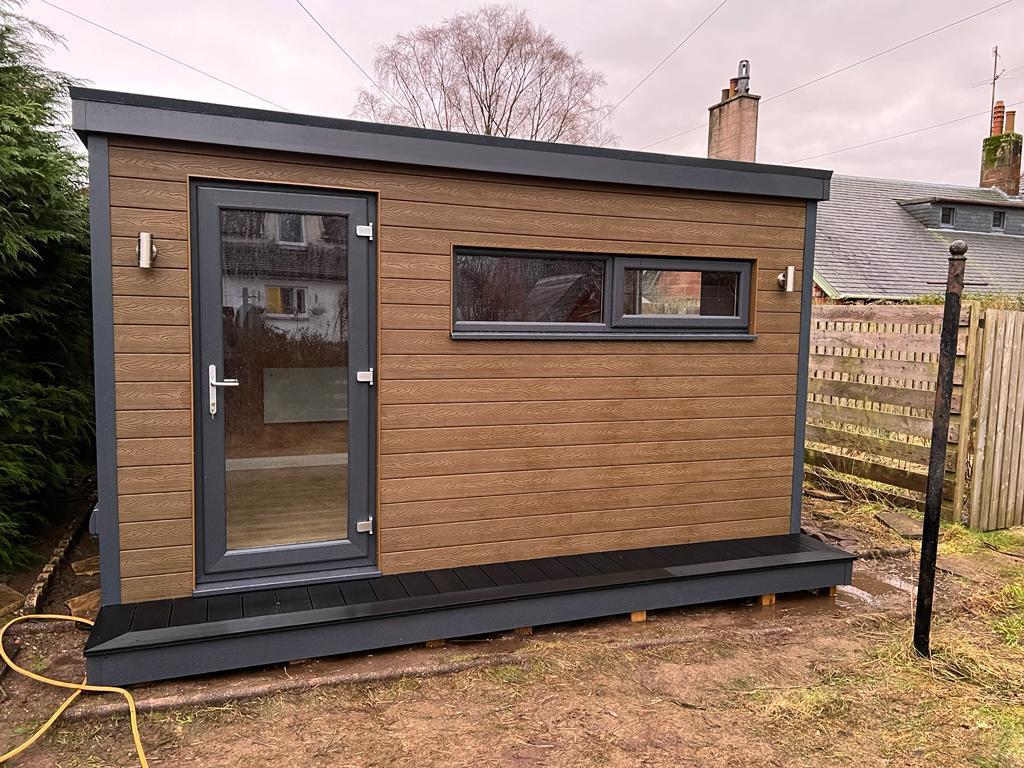
Remote working has revolutionised how millions approach their professional lives, creating unprecedented demand for innovative workspace solutions. Among the most exciting developments in this evolution are garden office pods – sleek, contemporary structures that combine cutting-edge design with practical functionality. These compact garden buildings represent a sophisticated answer to the modern worker's needs, offering prefabricated solutions that can be installed in days rather than months.
Understanding Garden Office Pods
Garden office pods distinguish themselves from traditional garden buildings through their contemporary aesthetic and modular construction. Typically featuring curved lines, large glass panels, and modern materials, these pods embrace minimalist design principles whilst maximising functionality. Unlike conventional garden studios that often resemble miniature houses, pods present a distinctly futuristic appearance that makes a bold architectural statement.
The construction methodology sets pods apart as well. Most arrive as complete units or large prefabricated sections, manufactured in controlled factory environments to exacting standards. This approach ensures consistent quality, reduces installation time dramatically, and minimises site disruption. Where traditional garden buildings might require weeks of on-site construction, pods can be fully operational within 48 hours of delivery.
Size-wise, garden pods typically occupy smaller footprints than conventional garden studios, making them ideal for compact urban gardens. Standard dimensions range from 2x2 metres for solo workstations to 4x3 metres for more spacious configurations. Despite their compact nature, intelligent design ensures these garden buildings feel surprisingly roomy and comfortable.
The Evolution of Garden Pods
The concept of garden office pods emerged from Scandinavia, where innovative designers sought solutions for creating additional living and working space without permanent construction. These early pods emphasised sustainability, using eco-friendly materials and energy-efficient designs that resonated with environmentally conscious consumers.
As remote working accelerated globally, pod manufacturers refined their offerings, incorporating advanced technologies and premium materials whilst maintaining the core benefits of rapid installation and minimal garden disruption. Today's market offers remarkable diversity, from budget-friendly options to luxury garden buildings featuring smart home integration, acoustic engineering, and architectural glass systems.
The pod concept has expanded beyond simple office spaces to encompass garden rooms, wellness retreats, creative studios, and multi-purpose garden buildings. This versatility has driven widespread adoption across demographics, from tech entrepreneurs to artists, therapists to consultants.
Key Advantages of Garden Office Pods
Choosing a garden pod over alternative workspace solutions delivers distinct benefits that appeal to modern professionals seeking efficient, stylish additions to their properties.
Rapid Installation
Perhaps the most compelling advantage is installation speed. Where traditional construction projects disrupt households for weeks or months, garden pods arrive largely complete and ready for use. Most installations conclude within one to three days, including groundwork and utility connections. This rapid deployment means minimal inconvenience and almost immediate return on investment as productive workspace becomes available.
Minimal Planning Complexity
Garden office pods typically qualify as permitted development, avoiding lengthy planning applications in most circumstances. Their compact size and contemporary design often integrate seamlessly into gardens without triggering planning concerns. Manufacturers understand regulatory frameworks and design pods to maximise compliance with standard permitted development criteria.
Modern Aesthetic Appeal
Pods offer architectural interest that enhances garden environments rather than detracting from them. Their contemporary styling complements modern homes beautifully, whilst even traditional properties can benefit from the striking contrast pods provide. Large windows and clean lines create visual lightness, ensuring these garden buildings feel like intentional design features rather than afterthoughts.
Space Efficiency
Intelligent internal layouts maximise every centimetre of available space. Built-in furniture, clever storage solutions, and multifunctional elements ensure garden pods accommodate everything needed for productive work without feeling cramped. The compact footprint leaves maximum garden space for other uses, making pods perfect for smaller urban plots.
Thermal Performance
Modern garden pods incorporate exceptional insulation and glazing technology. Triple-glazed windows, insulated wall panels, and efficient heating systems create comfortable environments year-round. Many pods actually outperform traditional construction in thermal efficiency, reducing heating costs whilst maintaining pleasant working temperatures throughout winter months.
Future Flexibility
Unlike permanent extensions, garden office pods can be relocated if circumstances change. This flexibility protects your investment should you move house or repurpose your garden. Some pod owners even sell their units separately, recovering significant initial costs whilst the new property owners benefit from instant workspace.
Design Features That Define Quality Pods
Premium garden office pods incorporate specific features that elevate them above basic garden buildings. Understanding these elements helps identify quality offerings in a crowded marketplace.
Glass Technology
Expansive glazing distinguishes exceptional pods, flooding interiors with natural light whilst maintaining thermal efficiency. Look for triple-glazed units with low-emissivity coatings that prevent heat loss whilst controlling solar gain. Some luxury garden pods feature floor-to-ceiling glass walls that create stunning visual connections with surrounding gardens.
Acoustic Engineering
Professional-grade acoustics ensure privacy for confidential calls and eliminate external noise distractions. Quality pods incorporate soundproofing in walls, floors, and ceilings, using specialised materials that absorb sound rather than simply blocking it. This attention to acoustics proves invaluable for professionals conducting frequent video conferences or client consultations.
Smart Integration
Contemporary garden buildings increasingly feature smart technology integration. Automated lighting, climate control via smartphone apps, and integrated security systems offer convenience and efficiency. Some pods include voice-activated controls, automated blinds, and environmental sensors that optimise conditions automatically.
Sustainable Materials
Leading manufacturers prioritise sustainability, using responsibly sourced timber, recycled insulation, and low-VOC finishes. Green roofs, solar panel integration, and rainwater harvesting systems appeal to environmentally conscious buyers whilst reducing running costs. These eco-friendly features align with growing awareness about environmental responsibility.
Architectural Detailing
Premium garden pods demonstrate attention to detail in hardware, finishes, and construction quality. Examine door mechanisms, window fittings, and internal fixtures – quality components indicate overall construction standards. Seamless joints, precision engineering, and durable external cladding all contribute to longevity and aesthetic appeal.
Comparing Pod Styles and Configurations
The garden pod market offers diverse styles catering to different needs, preferences, and budgets. Understanding these categories helps narrow options effectively.
Compact Solo Pods
Designed for individual workers, these minimalist garden buildings typically measure 2x2 or 2.5x2.5 metres. Perfect for focused work requiring minimal equipment, compact pods maximise space efficiency through built-in desks and storage. They suit writers, designers, programmers, and professionals whose work centres on computer-based tasks.
Executive Pods
Larger configurations accommodate meetings, multiple workstations, or extensive equipment. Measuring 3x3 to 4x3 metres, executive pods might include separate zones for desk work and client meetings, kitchenette facilities, and storage for files and supplies. These garden buildings suit consultants, therapists, or small business owners who host regular client visits.
Curved Pods
Distinctive curved designs create striking architectural features whilst offering practical benefits. Curved walls improve structural integrity, enhance acoustics, and provide psychological benefits through their organic forms. These garden studios appeal to those seeking statement pieces that transform gardens into showcase spaces.
Modular Expandable Systems
Some manufacturers offer modular garden pods that can be expanded by connecting additional units. This flexibility proves valuable for growing businesses or changing needs, allowing incremental investment as requirements evolve. Modular systems maintain design consistency whilst offering scalability traditional garden buildings cannot match.
Eco Pods
Sustainability-focused designs incorporate maximum environmental features including solar power, green roofs, natural ventilation systems, and reclaimed materials. These garden buildings appeal to environmentally conscious buyers willing to invest in premium eco-credentials that reduce environmental impact whilst minimising running costs.
Technical Considerations for Pod Installation
Successful garden pod installation requires attention to several technical factors that ensure optimal performance and longevity.
Ground Preparation
Despite their lightweight construction compared to traditional buildings, pods require stable, level foundations. Options include reinforced concrete pads, composite base systems, or adjustable screw pile foundations. Ground conditions dictate the most appropriate solution – clay soils might require deeper foundations whilst sandy soils accept simpler preparations. Proper drainage prevents moisture problems that could compromise your garden building over time.
Access Requirements
Consider delivery access carefully. Garden pods often arrive as complete units on large lorries requiring suitable access to your property. Narrow side passages, low-hanging trees, or tight corners might necessitate crane installation, increasing costs. Measure access routes thoroughly and discuss logistics with suppliers before committing to purchases.
Utility Connections
Professional electrical installation remains essential despite pods' plug-and-play philosophy. Underground armoured cabling provides power from your main property, requiring qualified electricians to ensure compliance and safety. Fibre optic or CAT6 ethernet cables deliver reliable high-speed internet, essential for modern remote working. Some garden buildings include pre-installed wiring and consumer units, simplifying final connections.
Positioning and Orientation
Optimal pod placement balances privacy, views, natural light, and practicality. South-facing positions maximise daylight but may require shading solutions. Consider sight lines from neighbouring properties and your home, ensuring privacy without creating isolated, disconnected spaces. Practical factors include proximity to your house for utility connections and comfortable all-weather access.
Integration with Garden Design
Thoughtful landscaping integrates garden pods harmoniously into outdoor spaces. Pathways, lighting, screening plants, and complementary hard landscaping transform pods from additions into intentional design elements. Consider how seasonal changes affect your pod's environment and plan accordingly.
Maximising Productivity in Your Garden Pod
Creating an effective workspace extends beyond physical structure to encompass layout, furnishing, and environmental control.
Ergonomic Setup
Invest in quality office furniture supporting healthy posture and comfort during extended work sessions. Adjustable chairs, properly positioned monitors, and keyboard trays prevent repetitive strain injuries. Standing desks or adjustable height solutions add flexibility for movement throughout the day.
Lighting Strategy
Combine abundant natural light with carefully planned artificial illumination. Task lighting for desk areas, ambient lighting for general illumination, and adjustable options for video calls create versatile environments. Consider colour temperature – cooler lights promote focus whilst warmer tones create relaxed atmospheres for creative work.
Climate Control
Maintain comfortable temperatures year-round through appropriate heating and cooling systems. Electric radiators, infrared panels, or air conditioning units suit different climates and preferences. Don't overlook ventilation – fresh air prevents stuffiness and maintains concentration during long work sessions.
Personalisation
Transform your garden pod from functional space into inspiring environment through thoughtful decoration. Plants improve air quality and wellbeing, artwork personalises surroundings, and carefully chosen colours influence mood and productivity. Create a workspace you genuinely enjoy inhabiting rather than merely tolerating.
Technology Integration
Ensure reliable internet connectivity through hardwired connections where possible. Multiple power sockets accommodate various devices without adapter towers. Cable management systems maintain clean, professional appearances. Consider backup power solutions if your work cannot tolerate unexpected outages.
Investment and Financial Aspects
Garden office pods represent significant investments requiring careful financial consideration and planning.
Purchase Costs
Entry-level pods start around £7,000 for basic models with limited specification and smaller dimensions. Mid-range offerings typically fall between £15,000-£25,000, delivering quality construction, good insulation, and contemporary design. Premium garden buildings exceed £30,000, featuring luxury finishes, smart technology, and bespoke customisation.
Additional Expenses
Budget beyond purchase price for groundwork (£500-£2,000), electrical installation (£1,000-£2,500), furniture and equipment (£500-£3,000), and potential landscaping. These additional costs often total £3,000-£7,000, depending on complexity and specifications.
Financing Options
Many manufacturers offer finance packages spreading costs over 3-10 years. Compare interest rates carefully and consider whether financing makes sense for your circumstances. Some find paying upfront preferable, avoiding interest charges whilst potentially negotiating better purchase prices.
Tax Considerations
Self-employed individuals and small business owners may claim garden pod costs against profits, reducing tax liability. Consult qualified accountants regarding eligibility and optimal approaches. Employed remote workers cannot typically claim costs, though circumstances vary.
Return on Investment
Calculate savings from eliminated commuting, reduced commercial rent, and productivity improvements. Most pod owners recoup costs within 3-5 years through these combined savings. Property value increases provide additional return, though specific gains vary by location and housing market conditions.
Maintenance Requirements
Garden pods require minimal maintenance compared to traditional structures, though periodic attention ensures longevity and performance.
Exterior Care
Annual inspection identifies potential issues before they escalate. Check seals around windows and doors, examining for gaps or deterioration. Clean glazing regularly to maintain appearance and light transmission. Timber cladding may require periodic treatment depending on species and finishes, whilst composite or metal exteriors need only occasional cleaning.
Interior Maintenance
Keep interiors clean and well-ventilated. Wipe surfaces regularly, vacuum floors, and address spills immediately. Check heating systems annually, replacing filters and servicing as recommended. Inspect electrical installations periodically, addressing any concerns promptly.
Seasonal Preparation
Before winter, check insulation remains effective and heating systems function properly. Clear gutters and drainage if present. During summer, ensure cooling and ventilation work effectively. These simple seasonal checks prevent problems and maintain comfort year-round.
FAQs
What's the difference between garden pods and garden studios?
Garden pods feature contemporary, often curved designs with extensive glazing and arrive as prefabricated units for rapid installation. Garden studios typically resemble traditional buildings with conventional construction methods. Pods emphasise modern aesthetics and speed of installation, whilst studios offer more traditional appearances and construction approaches.
How quickly can a garden office pod be installed?
Most garden pods can be fully installed and operational within 1-3 days after groundwork completion. Including foundation preparation and utility connections, total installation typically takes one week from start to finish, compared to several weeks for traditional garden buildings.
Do garden pods need planning permission?
Most garden office pods under 2.5 metres high and meeting permitted development criteria don't require planning permission in the UK. However, conservation areas, listed buildings, and properties with restrictions may have different requirements. Always verify with local planning authorities before purchase.
Are garden pods suitable for year-round use?
Quality garden pods with proper insulation, triple glazing, and adequate heating remain comfortable throughout all seasons. Modern pods often achieve better thermal performance than traditional construction, making them perfectly suitable for year-round professional use.
Can garden office pods be moved or relocated?
Yes, one advantage of garden pods is their relocatability. Whilst not designed for frequent moves, pods can be professionally relocated if you move house or wish to reposition them within your garden. This flexibility protects your investment compared to permanent structures.
What size garden pod do I need?
Solo workers typically find 2x2 to 2.5x2.5 metre pods sufficient. Those hosting meetings or requiring more equipment should consider 3x3 metres or larger. Assess your specific needs including desk space, storage, meeting capacity, and equipment before selecting dimensions.
How much does a garden office pod cost?
Garden pod prices range from approximately £7,000 for basic entry-level models to £35,000+ for premium luxury units. Most quality pods suitable for professional use cost £15,000-£25,000 including installation, representing excellent value compared to traditional construction or commercial rental.
Do garden pods add value to properties?
Yes, quality garden office pods enhance property appeal and typically increase market value. The growing demand for home workspace makes properties with professional garden buildings more attractive to buyers, often recovering significant portions of initial investment upon sale.
What utilities do garden pods need?
Essential utilities include electrical power and internet connectivity. Water connections are optional and rarely necessary for office use. Professional electrical installation by qualified electricians ensures safety and regulatory compliance. Internet can be supplied via WiFi extension or hardwired ethernet cables.
How long do garden office pods last?
Quality garden pods built from durable materials and properly maintained easily last 20-30 years or more. Regular maintenance, appropriate treatment of timber elements, and protection from moisture ensure longevity comparable to traditional construction whilst requiring less intensive upkeep.
Meta Description
Garden office pods guide: Discover modern prefabricated garden buildings offering rapid installation and contemporary design. Complete information on pod styles, costs, installation, and benefits for remote workers seeking stylish garden studios.