
Garden Office Studio: The Guide to Creating Your Perfect Workspace
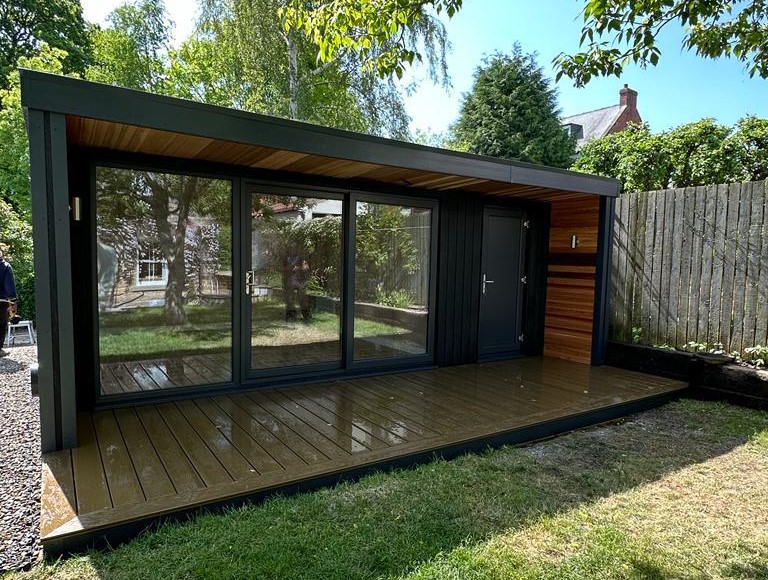
The modern workplace has transformed dramatically over recent years, with remote work becoming a permanent fixture for millions of professionals worldwide. As homes adapt to accommodate this shift, garden office studios have emerged as one of the most popular and practical solutions for creating dedicated workspace. These standalone garden buildings offer the perfect blend of work-life separation, productivity enhancement, and property value addition, all within steps of your back door.
What is a Garden Office Studio?
A garden office studio is a purpose-built structure located in your garden or backyard, designed specifically to serve as a professional workspace. Unlike converted spare rooms or kitchen table setups, these garden buildings are standalone units that provide complete separation between your home and work life. Garden studios typically range from compact 2x3 meter pods to spacious 6x4 meter buildings, offering enough space for desks, storage, meeting areas, and all the amenities needed for productive work.
Modern garden office buildings come fully insulated, weatherprooof, and equipped with electrical installations, heating systems, and high-speed internet connectivity. They represent a significant evolution from traditional garden sheds, incorporating contemporary design, professional finishes, and all the functionality of a conventional office space.
The Rise of Garden Office Studios
The demand for garden offices has surged dramatically, driven by fundamental changes in how we work. Remote working arrangements that once seemed temporary have become permanent for many professionals, creating an urgent need for dedicated home workspace solutions. Garden buildings answer this need perfectly, offering a practical alternative to expensive office rentals or disruptive home extensions.
Beyond the pandemic-driven work-from-home trend, garden studios appeal to entrepreneurs, freelancers, creatives, and anyone seeking a quiet space away from household distractions. The ability to "commute" to work in just seconds, while maintaining professional boundaries, has proven invaluable for work-life balance and mental wellbeing.
Benefits of a Garden Office Studio
Creating a garden workspace delivers numerous advantages that extend far beyond simple convenience. These garden buildings transform how you work, live, and utilize your property.
Enhanced Productivity and Focus
Garden office studios eliminate the constant interruptions that plague home workers. Without household noise, family distractions, or the temptation to tackle domestic chores, professionals find their concentration and output significantly improve. The physical act of walking to your garden studio creates a psychological transition into work mode, establishing clear boundaries that benefit both productivity and wellbeing.
Perfect Work-Life Balance
One of the greatest challenges of remote work is maintaining healthy separation between professional and personal life. A garden office provides this separation literally and psychologically. When your workday ends, you close the studio door and leave work behind, returning to your home as a purely residential space. This physical boundary helps prevent burnout and allows for genuine relaxation during personal time.
Cost-Effective Solution
Compared to renting commercial office space or undertaking major home extensions, garden studios represent exceptional value. While initial investment varies depending on size and specification, most garden buildings cost significantly less than equivalent alternatives. Additionally, garden offices avoid the ongoing expenses of commuting, commercial rent, and the disruption associated with building extensions.
Added Property Value
Quality garden office buildings enhance property appeal and market value. Prospective buyers increasingly seek homes with dedicated workspace, making garden studios an attractive feature that can differentiate your property in competitive markets. Well-designed garden buildings also add usable square footage without reducing garden space significantly.
Customization and Flexibility
Garden studios can be tailored to specific needs and preferences. Whether you need a minimalist workspace, a creative studio with abundant natural light, or a multi-functional room that serves various purposes, garden buildings offer complete design flexibility. Many suppliers provide bespoke services, ensuring your garden office perfectly matches your requirements and complements your property aesthetic.
Design Considerations for Your Garden Studio
Creating the ideal garden office requires careful planning across multiple dimensions. Understanding these considerations ensures your garden building meets both practical needs and aesthetic expectations.
Size and Layout
Garden studio size depends primarily on intended use and available space. Solo workers might thrive in compact 2x3 meter units, while those who host client meetings or require extensive equipment need larger structures. Consider not just desk space but storage requirements, meeting areas, and room for movement. Planning permission regulations often limit garden buildings to 2.5 meters in height and require specific distances from boundaries, so research local requirements early.
Insulation and Climate Control
Year-round usability demands proper insulation in walls, floors, and roofs. Quality garden offices feature double or triple glazing, insulated panels, and weatherproof construction that maintains comfortable temperatures regardless of season. Heating options range from electric radiators and underfloor heating to energy-efficient air source systems. Equally important, adequate ventilation prevents condensation and maintains air quality during extended work sessions.
Natural Light and Windows
Abundant natural light benefits both productivity and wellbeing. Position windows to maximize daylight while considering privacy, views, and solar gain. South-facing windows provide excellent light but may require blinds or shading to prevent overheating and screen glare. Skylights and roof windows add overhead illumination, particularly beneficial for smaller garden studios where wall space is limited.
Electrical and Connectivity
Professional-grade electrical installation is non-negotiable for garden office buildings. Ensure sufficient power outlets for computers, monitors, printers, and other equipment, plus dedicated circuits for heating and lighting. High-speed internet connectivity is equally crucial – consider both WiFi extenders and hardwired ethernet connections for maximum reliability during video calls and large file transfers.
Interior Design and Atmosphere
Your garden studio interior should promote focus and comfort. Choose colors, materials, and furnishings that support your work style. Neutral tones create calming environments, while accent colors can energize creative spaces. Acoustic treatments improve sound quality for calls and reduce echo in smaller garden buildings. Personalize with plants, artwork, and comfortable furniture that makes your garden office somewhere you genuinely want to spend time.
Planning Permission and Building Regulations
Understanding legal requirements prevents costly mistakes when installing garden office studios. While many garden buildings qualify as "permitted development" requiring no formal planning permission, specific criteria must be met.
Generally, garden studios under 2.5 meters high and occupying less than 50% of your garden area don't require planning permission in the UK, provided they're not used as primary living accommodation and aren't positioned forward of the principal elevation facing a highway. However, rules differ for listed buildings, conservation areas, and properties with restrictive covenants.
Building regulations may apply depending on studio size and position relative to boundaries. Structures within one meter of boundaries or exceeding 15 square meters typically require compliance with building regulations covering fire safety, structure, and insulation standards. Electrical installation should always meet current regulations and be certified by qualified electricians.
Consult your local planning authority before proceeding, as regulations vary regionally. Many garden studio suppliers offer planning guidance and can provide necessary documentation to support applications if required.
Installation and Setup Process
Installing a garden office studio typically follows a structured process, though timelines and specifics vary by supplier and design complexity.
Site Preparation
Proper foundations are essential for garden building longevity and stability. Options include concrete slabs, paving slabs, or adjustable feet systems. The ground must be level and well-drained to prevent water damage and structural issues. Some installations require minor landscaping to create suitable access and positioning.
Delivery and Assembly
Many garden studios arrive as prefabricated panels or complete units, dramatically reducing installation time. Professional installation teams can typically complete setup within one to three days, depending on size and complexity. This includes structural assembly, roofing, windows, doors, and external finishes.
Utilities Connection
Electrical supply requires qualified electricians to run armored cable from your main property to the garden office, installing consumer units, lighting, and power outlets. Internet connectivity can be extended via WiFi boosters, powerline adapters, or dedicated ethernet cables. Water connections are optional but useful if you plan to include kitchenette facilities.
Interior Finishing
Final touches include flooring installation, internal decoration, furniture arrangement, and equipment setup. Many choose to add shelving, storage solutions, and personal touches that transform the garden building into a truly functional workspace.
Maintaining Your Garden Office
Regular maintenance ensures your garden studio remains comfortable, functional, and attractive for years to come. Garden buildings require less maintenance than traditional structures but benefit from periodic attention.
Seasonal Checks
Inspect roofing, gutters, and drainage systems regularly, particularly after severe weather. Clear debris from gutters and check seals around windows and doors. Examine exterior cladding for damage and treat timber surfaces as recommended by manufacturers. During winter, ensure heating systems function efficiently and pipes are protected if water connections exist.
Interior Upkeep
Keep interiors clean and well-ventilated to prevent condensation and maintain air quality. Service heating and cooling systems annually and replace filters as needed. Check electrical installations periodically and address any issues immediately. Refresh paint and decoration as required to maintain an inspiring workspace.
Garden Integration
Maintain paths and surrounding landscaping to ensure safe, pleasant access to your garden office in all weather conditions. Strategic planting can enhance privacy, provide shade, or create attractive views from your studio windows.
Cost Considerations
Garden office studio prices vary enormously based on size, specification, and customization. Basic models start around £5,000 for small, simple structures, while bespoke, fully-specified garden buildings can exceed £30,000.
Mid-range options typically cost £10,000-£20,000 and include insulation, double glazing, electrical installation, and professional construction. This price point delivers year-round usability with modern finishes and reasonable customization options.
Factor in additional costs including groundwork, electrical connection, furniture, heating, and any landscaping requirements. While the initial investment may seem substantial, compare against alternatives like commercial office rental (easily exceeding £3,000-£5,000 annually), commuting costs, or home extension expenses (typically £20,000-£40,000).
Many garden studio suppliers offer finance options, spreading costs over manageable monthly payments. Additionally, self-employed individuals may claim certain expenses against tax, further improving cost-effectiveness.
FAQs
Do I need planning permission for a garden office studio?
Most garden studios under 2.5 meters high and occupying less than 50% of garden area don't require planning permission under UK permitted development rights. However, rules differ for listed buildings, conservation areas, and forward-facing positions. Always verify with your local planning authority before proceeding.
How long does it take to install a garden office?
Professional installation of prefabricated garden buildings typically takes 1-3 days, depending on size and complexity. Site preparation may add several days, while electrical connections and interior finishing extend the timeline. From order to completion, expect 6-12 weeks for most standard garden studios.
Are garden offices warm enough in winter?
Quality garden studios with proper insulation, double glazing, and adequate heating remain comfortable throughout winter. Modern garden buildings achieve thermal performance comparable to traditional construction, maintaining pleasant working temperatures in all seasons.
Can I use my garden studio as a home gym or art studio?
Absolutely! Garden buildings serve multiple purposes beyond offices, including gyms, art studios, music rooms, hobby spaces, or guest accommodation. The versatility of garden studios makes them excellent multi-functional investments.
How much does a garden office studio cost?
Prices range from approximately £5,000 for basic models to £30,000+ for large, bespoke garden buildings. Most people invest £10,000-£20,000 for fully-insulated, professionally-installed garden studios with electrical connections and modern finishes.
Will a garden office add value to my property?
Yes, quality garden studios typically increase property value and appeal to buyers seeking home office solutions. Well-designed garden buildings add functional space without sacrificing garden area, making properties more attractive in competitive markets.
Do I need foundations for a garden office?
Yes, proper foundations ensure stability, prevent moisture damage, and extend garden studio lifespan. Options include concrete slabs, paving slabs on compacted hardcore, or adjustable feet systems. Your supplier can recommend appropriate foundations for your specific garden building and site conditions.
How do I connect electricity to my garden studio?
Qualified electricians should install electrical connections, running armored cable underground from your main property to the garden office. This requires appropriate consumer units, earthing, and testing to meet current regulations. Never attempt electrical work yourself unless properly qualified.