
Insulated Garden Rooms : The Year-Round Living Space Solution
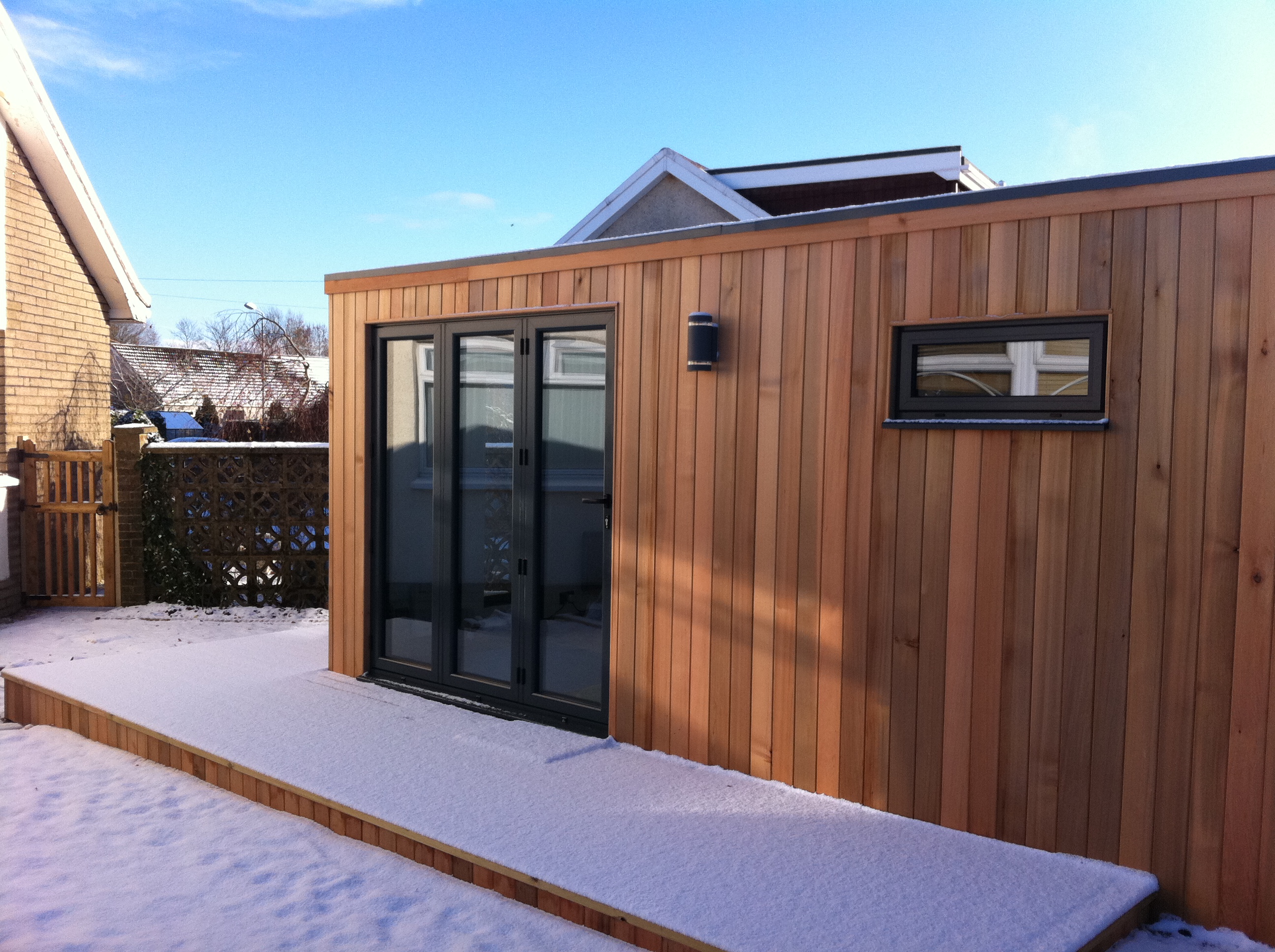
Britain's unpredictable weather presents unique challenges for anyone seeking to extend their living space outdoors. Whilst summer months invite outdoor relaxation, the reality of cold, damp winters traditionally confined garden buildings to seasonal use. Insulated garden rooms have revolutionised this landscape, transforming outdoor structures into comfortable, versatile spaces usable throughout every season. These sophisticated garden buildings combine robust construction with advanced thermal technology, creating environments as comfortable as your main home regardless of external temperatures.
What Makes Insulated Garden Rooms Different?
The distinction between basic garden sheds and properly insulated garden rooms is profound. Standard garden buildings typically feature single-layer construction with minimal weather protection, rendering them uncomfortable or unusable during colder months. Insulated garden rooms, conversely, incorporate multi-layer wall systems, professional-grade insulation materials, and comprehensive weatherproofing that maintains stable internal temperatures year-round.
Construction typically involves sandwich panel systems combining structural frames with high-performance insulation foam or mineral wool, finished with attractive internal and external cladding. This multi-layer approach creates effective thermal barriers preventing heat loss during winter whilst blocking excessive solar gain during summer. Quality insulated garden studios achieve U-values comparable to modern home extensions, meeting or exceeding building regulation standards for thermal performance.
Beyond walls, comprehensive insulation extends to floors and roofs. Insulated floor systems prevent cold rising from ground contact, whilst insulated roof assemblies with vapour barriers protect against condensation and heat loss through the largest exposed surface. This holistic approach to thermal performance distinguishes professional insulated garden buildings from basic structures masquerading as year-round solutions.
Versatility Beyond Home Offices
Whilst home working has driven significant demand for insulated garden rooms, their versatility extends far beyond office applications. The comfortable environment these garden buildings provide opens possibilities limited only by imagination.
Entertainment and Leisure Spaces
Insulated garden rooms create perfect settings for home cinemas, games rooms, or entertainment areas. Soundproofing inherent in insulated construction contains noise, allowing enjoyment without disturbing neighbours or household members. Temperature stability ensures comfort during extended film marathons or gaming sessions regardless of season.
Fitness and Wellness Sanctuaries
Dedicated home gyms, yoga studios, or meditation spaces thrive in insulated garden buildings. Consistent temperatures make exercise comfortable year-round, whilst separation from the main house creates focused environments free from household distractions. Many convert insulated garden rooms into hot tub enclosures, saunas, or spa-like retreats offering daily wellness escapes.
Guest Accommodation
High-quality insulated garden studios provide comfortable guest quarters that offer privacy for visitors whilst maintaining separation from family areas. Equipped with sleeping arrangements, seating, and sometimes bathroom facilities, these garden rooms solve accommodation challenges elegantly. Some homeowners even list their insulated garden buildings on holiday rental platforms, generating income when not hosting personal guests.
Creative Studios and Workshops
Artists, craftspeople, and hobbyists benefit enormously from dedicated creative spaces. Insulated garden rooms maintain stable temperatures protecting sensitive materials and equipment whilst providing inspiring environments conducive to creativity. Natural light through large windows enhances working conditions, whilst robust construction accommodates equipment and materials without concern.
Teen Retreats and Multigenerational Living
Teenagers cherish independent spaces offering privacy and autonomy. Insulated garden rooms provide safe, comfortable environments where young adults can socialise, study, or simply escape household bustle. Similarly, ageing parents or adult children benefit from semi-independent accommodation that maintains family proximity whilst offering personal space and dignity.
Understanding Insulation Technology
Appreciating how insulation transforms garden buildings helps evaluate options and understand value propositions.
Insulation Materials
Multiple insulation types feature in quality garden rooms, each offering distinct characteristics. Rigid foam insulation boards, including PIR (polyisocyanurate) and PUR (polyurethane), provide excellent thermal performance in relatively thin profiles, maximising internal space. These closed-cell foams resist moisture whilst delivering impressive R-values per centimetre of thickness.
Mineral wool insulation, manufactured from rock or glass fibres, offers different benefits including superior acoustic properties and fire resistance. Whilst requiring greater thickness for equivalent thermal performance, mineral wool provides valuable soundproofing benefiting garden buildings used for noisy activities or requiring privacy.
Spray foam insulation creates seamless barriers conforming perfectly to irregular spaces, eliminating thermal bridging and air gaps that compromise performance. Though more expensive, spray foam delivers exceptional results particularly in complex roof geometries or where maximum performance is essential.
Thermal Bridging Prevention
Even excellent insulation underperforms if thermal bridges allow heat transfer through structural elements. Quality insulated garden rooms incorporate thermal breaks interrupting cold transmission through frames and fixing points. This attention to detail prevents cold spots where condensation might form, protecting structures whilst maintaining consistent internal temperatures.
Vapour Control
Controlling moisture movement through building envelopes proves crucial for insulated garden buildings. Vapour barriers prevent warm, moist internal air penetrating insulation where it might condense, causing dampness and degrading thermal performance. Properly specified membranes positioned correctly within wall, floor, and roof assemblies ensure long-term effectiveness and comfort.
Glazing Performance
Windows represent significant thermal challenges in any building. Insulated garden rooms require high-performance glazing balancing natural light with thermal efficiency. Double glazing provides minimum acceptable performance, whilst triple glazing delivers superior insulation suited to premium installations. Low-emissivity coatings, argon or krypton gas fills, and thermally-broken frames maximise glazing performance without sacrificing light transmission.
Heating and Climate Control Solutions
Effective insulation reduces heating requirements dramatically, but appropriate climate control systems remain essential for year-round comfort.
Electric Heating Options
Electric heating systems dominate insulated garden room installations due to simplicity and flexibility. Panel heaters mounted on walls provide reliable, controllable warmth without requiring fuel storage or combustion ventilation. Infrared heating panels offer alternative approaches, warming objects and people directly rather than heating air, creating comfortable environments efficiently.
Underfloor electric heating systems provide luxurious, even warmth throughout spaces without occupying wall space or creating cold spots. Though requiring higher initial investment, underfloor heating particularly suits garden rooms used barefoot including yoga studios, leisure spaces, or guest accommodation.
Air Source Heat Pumps
For larger insulated garden buildings or where running costs matter significantly, air source heat pumps provide efficient heating and cooling. These systems extract heat from external air even during winter, concentrating and transferring it indoors with remarkable efficiency. Though involving higher installation costs, heat pumps deliver long-term savings whilst reducing environmental impact compared to traditional electric heating.
Smart Climate Control
Modern thermostats and smart heating controls optimise comfort whilst minimising energy consumption. Programmable systems heat insulated garden rooms before use rather than maintaining constant temperatures, saving considerably on running costs. Smartphone apps allow remote control, ensuring comfortable conditions upon arrival without wasting energy during vacant periods.
Natural Ventilation
Despite excellent insulation, fresh air remains essential for comfort and air quality. Opening windows provide simple ventilation during mild weather, whilst trickle vents in window frames offer background ventilation without significant heat loss. Whole-house ventilation systems with heat recovery suit premium installations, exchanging stale internal air with fresh external air whilst recovering heat that would otherwise escape.
Construction Methods and Build Quality
Understanding construction approaches helps assess quality and value when comparing insulated garden room options.
Timber Frame Construction
Most insulated garden buildings employ timber frame construction combining structural strength with excellent insulation accommodation. Engineered timber frames provide dimensional stability superior to traditional materials, maintaining performance as seasons change. Factory fabrication ensures precision and quality control impossible with site-built structures.
External cladding options include timber boards (Western Red Cedar, Thermowood, or treated softwoods), composite materials combining wood fibres with polymers, or rendered finishes over insulation boards. Each offers distinct aesthetic and maintenance characteristics suiting different preferences and architectural contexts.
Structural Insulated Panels
Some manufacturers employ structural insulated panels (SIPs) comprising insulation foam cores sandwiched between oriented strand board (OSB) facings. SIP construction delivers exceptional thermal performance, structural strength, and rapid installation. These prefabricated panels arrive on-site requiring only assembly, reducing installation time and weather exposure during construction.
Modular Factory-Built Systems
Premium insulated garden rooms increasingly arrive as complete factory-built modules, constructed indoors under controlled conditions. This approach ensures consistent quality, eliminates weather delays, and allows more complex internal finishes impossible with site construction. Modules crane into position on prepared foundations, becoming operational within hours rather than days or weeks.
Quality Indicators
Assessing build quality requires examining specific details. Inspect wall thickness – quality insulated garden buildings typically feature walls at least 100-150mm thick accommodating substantial insulation. Check window and door installations for proper sealing and adjustment. Examine internal finishes for attention to detail including neat joints, proper finishing, and quality fixtures.
Planning and Regulatory Compliance
Successfully installing insulated garden rooms requires navigating planning regulations and building standards specific to permanent, year-round structures.
Permitted Development Rights
Many insulated garden buildings qualify as permitted development avoiding formal planning applications. Key criteria include maximum height limits (2.5 metres for buildings within 2 metres of boundaries, 4 metres otherwise), total garden building coverage not exceeding 50% of garden area, and positioning not forward of the principal elevation facing a highway.
However, insulated garden rooms sometimes attract more scrutiny than basic structures due to their permanent nature and potential for habitable use. Conservation areas, listed buildings, Article 4 directions, and properties with restrictive covenants may require planning permission regardless of size or positioning.
Building Regulations
Unlike basic garden sheds, insulated garden rooms intended for year-round habitation often require building regulations approval. This typically applies to structures exceeding 15 square metres positioned within 1 metre of boundaries, or any garden building containing sleeping accommodation.
Building regulations cover structural integrity, fire safety, thermal performance, electrical safety, and accessibility. Whilst compliance adds cost and complexity, it ensures proper construction meeting safety standards whilst protecting your investment and property value.
Professional Guidance
Given regulatory complexity, consulting planning professionals before committing to purchases proves wise. Many insulated garden room suppliers offer planning services, preparing applications and liaising with authorities. This expertise often expedites approvals whilst ensuring compliance, avoiding expensive remedial work or even demolition of non-compliant structures.
Interior Design for Insulated Garden Rooms
Creating functional, attractive interiors maximises the potential of insulated garden buildings.
Spatial Planning
Effective layout considers how spaces will be used. Home offices require desk positioning optimising natural light whilst avoiding screen glare. Entertainment rooms need appropriate furniture arrangements considering viewing angles and acoustic properties. Multi-purpose garden rooms benefit from flexible furniture allowing reconfiguration as needs change.
Storage solutions integrate seamlessly in well-planned insulated garden studios. Built-in cupboards, shelving, and concealed storage maintain clean aesthetics whilst accommodating equipment, files, or leisure items. Consider vertical storage maximising wall space in compact buildings.
Material Selections
Interior finishes balance aesthetics with practicality. Timber cladding creates warm, natural atmospheres particularly popular in garden contexts. Plasterboard walls finished with paint or wallpaper offer blank canvases for personalisation. Hybrid approaches combining both materials create visual interest and zoning within open-plan spaces.
Flooring choices significantly impact comfort and aesthetics. Laminate and luxury vinyl tile (LVT) provide durable, low-maintenance options suited to varied uses. Engineered wood flooring adds warmth and natural beauty. Carpet creates cosy environments in leisure spaces or guest bedrooms, though proves less practical for offices or high-traffic applications.
Lighting Design
Layered lighting approaches combine natural light, ambient illumination, task lighting, and accent features. Large windows and skylights maximise daylight, reducing electricity consumption whilst benefiting wellbeing. LED ceiling lights provide efficient ambient illumination, whilst desk lamps, reading lights, or directional spotlights support specific activities. Dimmer switches add versatility, adjusting brightness to suit different uses and times of day.
Acoustics and Soundproofing
Beyond thermal insulation, acoustic performance matters for many applications. Insulated construction inherently reduces sound transmission, but additional measures improve performance further. Acoustic panels on walls or ceilings absorb sound, preventing echo in rooms used for music, meetings, or entertainment. Acoustic underlay beneath flooring reduces impact noise. These refinements create professional-quality environments supporting diverse uses.
Cost Considerations and Budgeting
Insulated garden rooms represent substantial investments requiring comprehensive financial planning.
Base Costs
Entry-level insulated garden buildings start around £10,000 for compact structures with basic specifications. Mid-range installations typically cost £20,000-£35,000, delivering quality construction, attractive finishes, and good specifications suitable for year-round use. Premium bespoke insulated garden rooms can exceed £50,000, featuring luxury materials, advanced technology, and architectural designs.
Size significantly impacts cost – doubling floor area typically increases prices 60-80% rather than 100% due to fixed costs in design, delivery, and groundwork. Customisation, specification upgrades, and complex designs add further expense.
Hidden and Additional Costs
Budget beyond quoted prices for essential extras often excluded from base costs. Groundwork including foundations and levelling typically adds £2,000-£5,000. Electrical installation connecting your insulated garden room to mains supply costs £1,500-£3,500 depending on distance and complexity. Internal furnishing, heating systems, and finishing touches easily total £3,000-£8,000.
Planning fees, building regulation approval, and professional consultancy might add £1,000-£3,000. Landscaping, pathways, and external works beautifying surroundings vary enormously but deserve budgetary consideration.
Financing Strategies
Multiple financing approaches suit different circumstances. Cash purchases avoid interest charges whilst potentially securing better negotiated prices. Personal loans offer fixed-rate borrowing over defined terms, spreading costs predictably. Secured loans against property equity typically deliver lower rates but involve greater risk and complexity.
Many insulated garden room manufacturers partner with finance providers offering instalment plans. Compare rates carefully – attractive monthly payments sometimes conceal expensive interest rates. Calculate total costs including all fees before committing.
Long-Term Value
Consider ongoing costs beyond initial investment. Quality insulated garden buildings require minimal maintenance – perhaps £200-£500 annually for cleaning, treatment, and minor repairs. Heating costs vary depending on usage patterns, building size, and insulation quality, but efficient insulated garden rooms typically cost £200-£600 annually in electricity.
Property value increases often exceed installation costs in desirable locations. Estate agents report insulated garden rooms adding £15,000-£30,000 to property values, sometimes more where garden buildings significantly enhance overall appeal.
Maintenance and Longevity
Properly maintained insulated garden rooms provide decades of reliable service with minimal ongoing attention.
Preventive Maintenance Schedule
Annual inspections identify potential problems before they escalate. Check roof condition examining for loose or damaged roofing materials. Inspect gutters and downpipes ensuring proper drainage. Examine external cladding for damage, treating timber surfaces as manufacturers recommend. Test window and door operation, adjusting hinges and locks maintaining smooth function.
Internally, check heating systems remain efficient, cleaning filters and servicing equipment per manufacturer schedules. Inspect electrical installations for any concerns, addressing issues promptly. Monitor for condensation or dampness indicating ventilation inadequacy or vapour barrier problems.
Seasonal Considerations
Autumn preparation involves clearing gutters, checking roof integrity before winter weather, and ensuring heating systems work properly. Winter brings risks from freezing – ensure any water supplies are protected or drained if not in constant use. Spring offers opportunities for deep cleaning, treating external timber, and touching up paint or stain. Summer maintenance includes checking for UV damage on cladding and ensuring ventilation provides comfortable conditions during warm weather.
Long-Term Durability
Quality insulated garden buildings constructed properly and maintained conscientiously easily last 30-40 years or more. Timber frames treated against rot and insect damage remain sound indefinitely. Insulation materials maintain performance throughout building life. Roofing materials typically require replacement after 15-25 years depending on type, whilst external cladding might need refinishing every 5-10 years though the underlying structure remains unaffected.
FAQs
How much does an insulated garden room cost?
Insulated garden rooms typically cost £10,000-£50,000 depending on size, specification, and customisation. Basic compact structures start around £10,000, mid-range installations cost £20,000-£35,000, whilst premium bespoke designs exceed £50,000. Additional costs for groundwork, electrics, and finishing add £5,000-£15,000 to base prices.
Do insulated garden rooms need planning permission?
Many insulated garden rooms qualify as permitted development requiring no planning permission if under 2.5 metres high near boundaries and occupying less than 50% of garden area. However, conservation areas, listed buildings, and properties with restrictions may require permission. Building regulations often apply to structures exceeding 15 square metres or containing sleeping accommodation.
Can you use an insulated garden room all year round?
Yes, properly constructed insulated garden rooms remain comfortable throughout all seasons. Quality insulation, double or triple glazing, and appropriate heating systems maintain pleasant temperatures regardless of external weather, making these garden buildings genuinely suitable for year-round use.
What insulation is used in garden rooms?
Insulated garden rooms typically use rigid foam insulation (PIR or PUR), mineral wool, or spray foam. Wall insulation usually measures 75-150mm thick, with additional insulation in floors and roofs. Quality buildings achieve U-values of 0.15-0.25 W/m²K, comparable to modern home extensions.
How long do insulated garden rooms last?
Quality insulated garden buildings properly maintained last 30-40 years or more. Structural timber frames remain sound indefinitely when protected against moisture and insects. Insulation maintains performance throughout building life. External finishes require periodic maintenance, whilst roofing typically needs replacement after 15-25 years.
What heating is best for insulated garden rooms?
Electric panel heaters provide simple, effective heating for most insulated garden rooms. Infrared panels offer efficient alternatives, whilst underfloor heating delivers luxurious comfort. Air source heat pumps suit larger buildings or where running costs matter significantly, providing both heating and cooling efficiently.
Can insulated garden rooms have plumbing?
Yes, insulated garden rooms can accommodate plumbing for bathrooms, kitchenettes, or utility areas. Water supply extends from the main house underground, whilst waste drainage requires proper installation complying with building regulations. Plumbing additions increase installation complexity and cost but enable self-contained functionality.
Do insulated garden rooms add value to property?
Quality insulated garden rooms typically increase property values by £15,000-£30,000 or more, often exceeding installation costs. Buyers value versatile, year-round usable space, making properties with insulated garden buildings more attractive in competitive markets. Location and building quality significantly influence value additions.
What's the difference between insulated and non-insulated garden rooms?
Insulated garden rooms feature multi-layer wall construction with 75-150mm insulation, double or triple glazing, and comprehensive weatherproofing enabling year-round use. Non-insulated buildings use single-layer construction suitable only for seasonal use. Insulated structures maintain comfortable temperatures regardless of weather, whilst basic buildings become uncomfortably cold in winter and hot in summer.
How are insulated garden rooms heated?
Most insulated garden rooms use electric heating including panel radiators, infrared panels, or underfloor systems. Larger buildings might employ air source heat pumps providing efficient heating and cooling. Wood-burning stoves suit larger spaces where ambience matters, though requiring more maintenance and ventilation. Smart thermostats optimise comfort whilst minimising running costs.