
Small Garden Rooms: Transforming Compact Outdoor Spaces
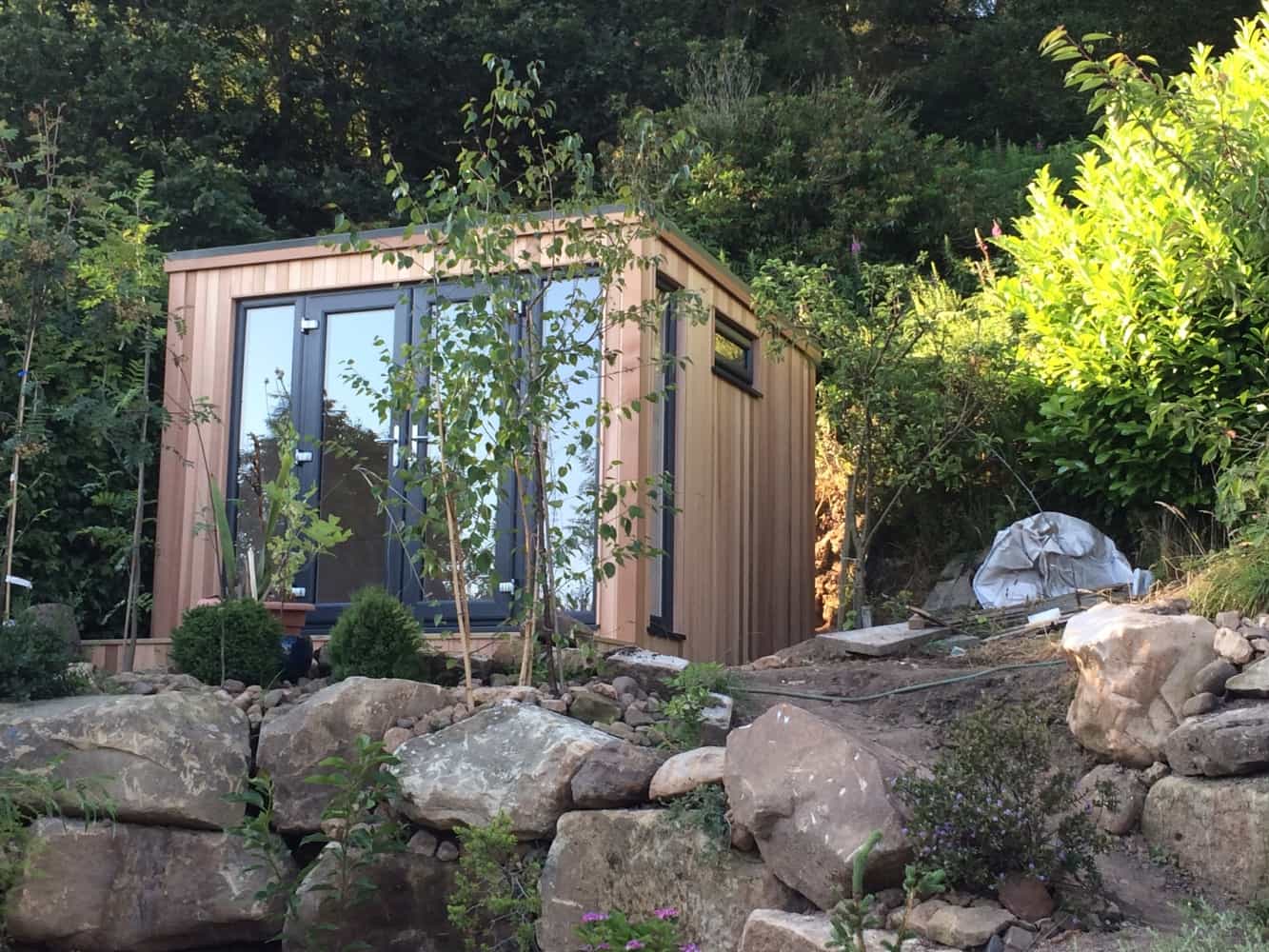
Small garden rooms have become one of the most desirable additions to modern homes. Whether you’re short on space indoors, working remotely, or simply craving a private retreat in your backyard, these compact structures offer endless possibilities. Designed to blend practicality with aesthetics, small garden rooms make the most of limited outdoor areas, adding both value and versatility to your property. In this comprehensive guide, we’ll explore everything you need to know about small garden rooms — from design ideas and materials to planning permission and creative uses — helping you create a beautiful and functional outdoor space that fits your lifestyle.
What Is a Small Garden Room?
A small garden room is a detached, purpose-built structure situated in your garden or outdoor area. Unlike a traditional extension or conservatory, a garden room stands separate from your main house and can be used for a variety of purposes such as an office, studio, gym, guest room, or hobby space. Typically, small garden rooms range between 8 and 20 square meters, though they can be customized to suit your available space. These rooms are designed to provide the comfort of an indoor environment with the connection to nature that comes from being in the garden. Built with insulated panels, high-quality glazing, and durable cladding, they can be used year-round.
Why Small Garden Rooms Are So Popular
In recent years, small garden rooms have surged in popularity due to lifestyle changes, remote work trends, and the desire for sustainable living. Homeowners are realizing that they don’t need to move or build expensive home extensions to gain more space. A garden room provides a cost-effective, stylish, and flexible alternative. The global shift toward hybrid working has made having a quiet, dedicated space essential. For many, a small garden office offers the separation between work and home life that’s often missing when working inside the house. Additionally, with more people prioritizing wellness and outdoor living, small garden rooms allow for creative uses like yoga studios, reading nooks, or art spaces where relaxation and productivity coexist.
Benefits of a Small Garden Room
1. Versatility
A small garden room can be whatever you need it to be — an office, gym, studio, guest room, or even a playroom. Its multifunctional nature makes it a smart investment.
2. Cost-Effective Extra Space
Compared to building an extension or converting a loft, a small garden room offers a more affordable way to add usable square footage to your home. Many designs are pre-fabricated or modular, which reduces both cost and construction time.
3. Year-Round Use
Modern insulation, double glazing, and efficient heating systems mean you can enjoy your garden room in every season. With proper ventilation and energy-efficient materials, it’s comfortable all year long.
4. Adds Property Value
A well-designed garden room can significantly boost your property’s appeal and market value. It’s considered a luxury feature, especially for homebuyers seeking flexible living or working space.
5. Connection to Nature
Being surrounded by greenery and natural light enhances mental wellbeing and productivity. A small garden room offers that perfect balance between indoor comfort and outdoor serenity.
6. Minimal Disruption
Unlike traditional extensions, building a small garden room causes minimal disturbance to your daily life. Many can be installed within a few days, with little need for heavy construction.
Design Ideas for Small Garden Rooms
When designing a small garden room, maximizing space and light is key. Here are some ideas to inspire you:
Modern Minimalist
Opt for sleek lines, neutral colors, and floor-to-ceiling glass doors. This style complements contemporary gardens and allows natural light to flood the interior.
Rustic Charm
Use timber cladding and warm, natural tones to create a cozy, cabin-like retreat. Add comfortable furnishings, soft lighting, and greenery for a homely touch.
Compact Office Pod
A small garden office is one of the most popular uses. Include a built-in desk, ergonomic chair, storage shelves, and soundproofing to create the ideal workspace.
Art or Music Studio
For creatives, a garden room can serve as an inspiring haven. Install good lighting, acoustic panels, and storage for your tools or instruments.
Garden Gym
Equip your garden room with compact gym equipment like a treadmill, yoga mat, or weights. Add mirrors and a sound system for motivation.
Guest Room or Teen Den
Transform your small garden room into a guest retreat or private hangout space for teenagers. Include a sofa bed, compact wardrobe, and cozy décor.
Greenhouse-Style Room
Combine relaxation with gardening by creating a glass-paneled garden room filled with plants. This design maximizes natural light and promotes a tranquil atmosphere.
Choosing the Right Materials
The materials you choose for your garden room affect its durability, comfort, and appearance. Common options include:
Timber
Timber garden rooms have a natural aesthetic and blend beautifully into garden surroundings. They’re also highly insulating and eco-friendly when sourced responsibly.
Composite Panels
Low-maintenance and weather-resistant, composite materials are perfect for homeowners seeking durability without regular upkeep.
Steel or Aluminium Frames
These provide modern, sleek lines and excellent structural strength. Ideal for contemporary designs.
Glass
Large glazed panels or bi-fold doors help create an open, airy space while letting in maximum light. Double or triple glazing ensures energy efficiency.
Insulation Materials
High-quality insulation (such as rigid foam or eco-friendly wool) keeps the space comfortable year-round and reduces energy costs.
Planning Permission and Regulations
In most cases, small garden rooms fall under “permitted development,” meaning you won’t need planning permission as long as certain conditions are met. However, it’s crucial to check local regulations. Typically, you won’t need planning permission if:
-
The structure is single-storey and under 2.5m in height (if within 2m of a boundary).
-
It occupies less than 50% of your garden area.
-
It is not used as a permanent living space.
-
It’s located behind your main dwelling.
If your property is listed or located in a conservation area, you may need to apply for permission. Always verify with your local planning authority before building.
Installation Process
Building a small garden room can be straightforward, particularly if you choose a modular or prefabricated design. The process generally includes:
-
Site Preparation – Clear the area, level the ground, and lay the foundation (usually concrete slabs or a ground screw base).
-
Framing and Structure – The walls, roof, and floor panels are assembled. This stage can often be completed in a day or two.
-
Insulation and Cladding – Insulation is installed, followed by interior and exterior finishes.
-
Windows and Doors – Glazing elements are fitted to bring in light and connect the interior with your garden.
-
Electrical and Heating Installation – Lighting, sockets, and climate control systems are added.
-
Interior Finishing – Paint, flooring, and furniture complete the space.
Depending on complexity, the installation can take anywhere from a few days to two weeks.
Heating and Insulation Options
To ensure year-round comfort, consider these heating and insulation solutions:
-
Underfloor Heating: Provides even warmth and saves space.
-
Electric Radiators: Simple to install and ideal for smaller spaces.
-
Infrared Panels: Energy-efficient and modern-looking.
-
Air Conditioning Units: Great for both heating and cooling.
-
Insulated Panels: Essential for maintaining consistent temperatures.
-
Double or Triple Glazing: Keeps the cold out and traps heat inside.
Interior Design Tips for Small Garden Rooms
Decorating a compact space requires smart choices. Here’s how to make your small garden room feel spacious and inviting:
-
Choose Light Colours: Whites, soft greys, and pastels make the room appear larger.
-
Maximise Natural Light: Use large windows and mirrors to reflect daylight.
-
Multifunctional Furniture: Foldable desks, sofa beds, and wall-mounted shelves help save space.
-
Keep It Minimal: Avoid clutter to maintain an airy, open feel.
-
Incorporate Greenery: Indoor plants bring life and freshness to the space.
-
Add Personal Touches: Use art, lighting, and décor that reflect your personality.
How to Maintain Your Garden Room
To keep your garden room in top condition:
-
Regularly check the roof and gutters for debris.
-
Clean windows and doors to maintain appearance and insulation performance.
-
Treat timber cladding annually if necessary.
-
Ensure ventilation to prevent damp or condensation.
-
Inspect seals and joints periodically for any wear.
With minimal maintenance, a high-quality garden room can last 25 years or more.
Eco-Friendly and Sustainable Options
Sustainability is a growing priority for homeowners. Many garden rooms are now built with eco-conscious materials and energy-efficient technologies. Consider:
-
Recycled or FSC-certified timber for cladding.
-
Green roofs that encourage biodiversity.
-
Solar panels to power lighting and heating.
-
Rainwater harvesting systems for watering plants.
-
Low-energy insulation materials like sheep’s wool or cork.
Not only does this reduce your carbon footprint, but it can also lower long-term running costs.
Cost of a Small Garden Room
The cost of a small garden room depends on its size, materials, and features. On average, you can expect to pay between £8,000 and £25,000 for a high-quality build. Custom designs, premium finishes, or integrated plumbing and electrics may increase the price. However, compared to a home extension — which can easily exceed £50,000 — a small garden room remains a smart and affordable investment.
Common Uses for Small Garden Rooms
The flexibility of garden rooms makes them suitable for countless purposes. Some of the most popular include:
-
Home Office: A quiet space for work or study.
-
Guest Accommodation: A comfortable room for visitors.
-
Gym or Yoga Studio: For health and wellness activities.
-
Art or Music Studio: A creative escape for hobbies.
-
Entertainment Room: A cinema, gaming zone, or reading nook.
-
Workshop: Ideal for DIY or crafting.
-
Kids’ Playroom: A fun and safe space for children.
Increasing Property Value
Adding a small garden room can increase your home’s value by up to 10%. Buyers love the flexibility and lifestyle benefits it provides. When selling your home, a garden room can set your property apart, especially in competitive markets.
Future Trends in Garden Rooms
As outdoor living continues to evolve, several trends are shaping the future of small garden rooms:
-
Smart Technology Integration: Automated lighting, heating, and security systems.
-
Biophilic Design: Incorporating natural materials and greenery for wellbeing.
-
Modular Flexibility: Designs that can expand or adapt over time.
-
Hybrid Spaces: Combining work, relaxation, and entertainment functions in one room.
-
Sustainable Materials: Focus on carbon-neutral and recycled construction.
How to Choose the Right Builder or Supplier
Selecting a reputable builder ensures your garden room meets high standards. Here’s what to consider:
-
Check customer reviews and portfolios.
-
Verify experience with small garden room projects.
-
Ask about guarantees and aftercare services.
-
Confirm insulation, foundations, and electrics are included in the quote.
-
Compare multiple quotes for transparency.
DIY vs Professional Installation
Some homeowners opt for DIY garden room kits, which can be more affordable. However, professional installation guarantees better structural integrity, compliance with building standards, and a high-quality finish. DIY kits are best suited to those with experience in construction and access to tools.
Maximizing Your Investment
To make the most of your small garden room:
-
Choose timeless design features that won’t date quickly.
-
Invest in quality insulation and finishes for longevity.
-
Plan the interior layout carefully to optimize space.
-
Add landscaping around the room for a cohesive garden aesthetic.
-
Use energy-efficient lighting and heating for reduced running costs.
Small Garden Rooms FAQs
1. Do I need planning permission for a small garden room?
Usually, no. Most small garden rooms fall under permitted development rights, as long as they meet height and usage restrictions. However, always check with your local authority.
2. Can I use a small garden room all year round?
Yes. With proper insulation, glazing, and heating, your garden room will be comfortable in every season.
3. How long does installation take?
A small garden room can be built in as little as 3 to 10 days, depending on design complexity and site conditions.
4. Can a garden room be used as a bedroom?
While it can serve as a guest room, permanent sleeping arrangements may require building regulation approval, especially if plumbing is added.
5. How do I heat a small garden room efficiently?
Underfloor heating, electric radiators, or infrared panels are excellent options for small spaces.
6. Will a garden room increase my property value?
Yes. A well-built garden room can add up to 10% to your home’s value and make it more appealing to buyers.
7. How much does a small garden room cost?
Expect to pay between £8,000 and £25,000 for a professionally installed garden room, depending on features and materials.
8. Can I build a garden room myself?
Yes, if you have DIY experience. However, professional installation is recommended for safety, quality, and compliance reasons.
9. Are garden rooms eco-friendly?
Many can be! Choose sustainable materials, renewable energy options, and good insulation to minimize your environmental footprint.
10. How long will a garden room last?
With quality materials and proper maintenance, a garden room can last 25 years or longer.