
Soundproof Garden Rooms: The Ultimate Quiet Garden Building
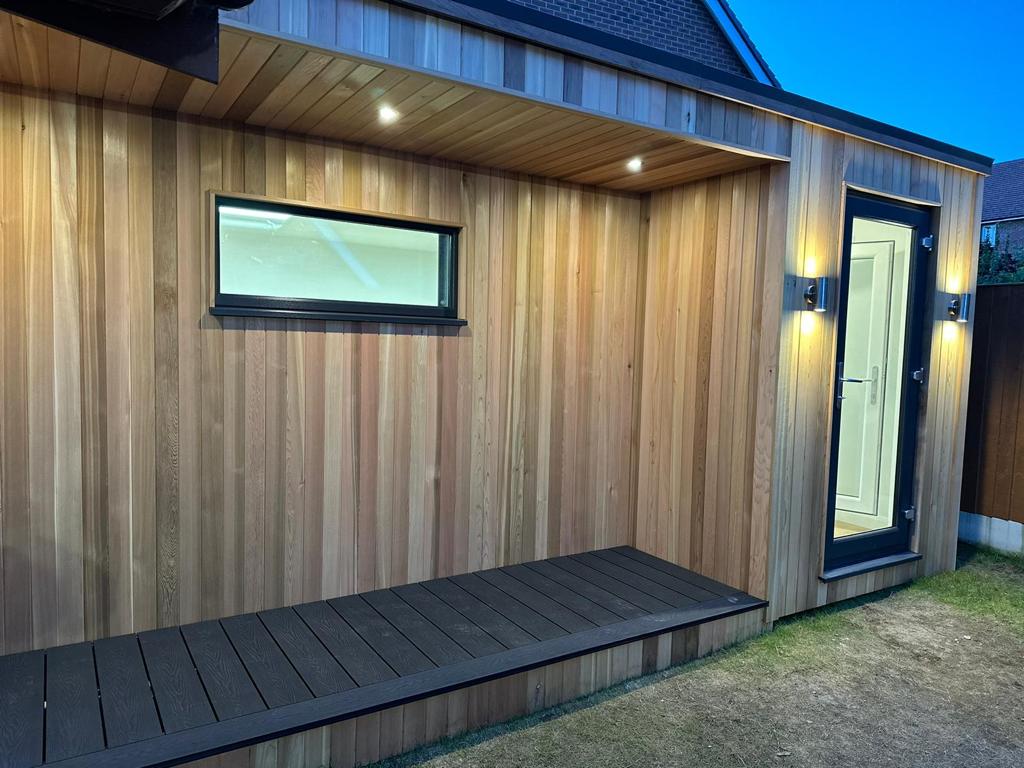
In today’s fast-paced world, a quiet space at home is more valuable than ever. Soundproof garden rooms offer a practical, stylish, and effective solution for homeowners seeking a tranquil retreat in their backyard. Whether you want a private home office, music studio, recording space, or relaxation room, soundproof garden buildings provide isolation from outside noise, ensuring focus, productivity, and peace. Unlike traditional garden rooms, soundproof designs incorporate acoustic materials, insulation, and innovative construction techniques to block unwanted sound while maintaining comfort and aesthetics. This guide explores everything you need to know about soundproof garden rooms — from design principles and construction materials to installation, costs, and maintenance — so you can create the ultimate quiet garden space.
What Are Soundproof Garden Rooms?
A soundproof garden room is a purpose-built outdoor building designed to minimize noise transmission between the interior and exterior. These garden buildings are constructed using advanced insulation, acoustic panels, and specialized glazing to reduce noise pollution from traffic, neighbors, or household activity. Soundproof garden rooms can serve multiple purposes, including workspaces, rehearsal studios, podcasting rooms, meditation spaces, and quiet reading areas. Unlike standard garden rooms, soundproof rooms focus specifically on controlling acoustic performance, making them ideal for both professional and personal applications.
Why Soundproof Garden Buildings Are Increasingly Popular
The demand for soundproof garden rooms has grown alongside remote working, home-based hobbies, and creative industries. Many homeowners face challenges such as noisy neighborhoods, thin walls inside their homes, or shared living spaces, which can make concentration or relaxation difficult. Soundproof garden buildings offer a dedicated space free from distractions. Musicians, podcasters, and content creators rely on soundproof garden rooms for high-quality audio recording, while professionals working from home benefit from quiet areas for calls and focused tasks. Beyond work and creativity, these rooms also provide wellness benefits — from meditation and yoga spaces to peaceful retreats for reading or study.
Advantages of Soundproof Garden Rooms
1. Enhanced Privacy and Focus
A soundproof garden room provides an isolated environment for work, study, or creative pursuits. It keeps interior conversations private while minimizing external noise interference.
2. Professional-Quality Acoustic Performance
For musicians, podcasters, and content creators, these garden buildings offer an environment suitable for recording and rehearsals without unwanted echoes or background noise.
3. Year-Round Comfort
High-quality soundproof garden rooms use insulated walls, ceilings, and floors, along with energy-efficient heating and ventilation, ensuring a comfortable space regardless of the season.
4. Adds Value and Utility
A well-designed soundproof garden building increases the versatility and appeal of your property. It can serve multiple purposes over time, making it a long-term investment.
5. Flexible Functionality
Soundproof garden rooms are adaptable. They can act as offices, studios, gyms, meditation spaces, or even entertainment rooms, giving homeowners creative freedom in their use.
6. Minimal Disruption
Unlike internal renovations or extensions, soundproof garden rooms are separate structures that can be installed quickly without major disruption to your home.
Key Design Considerations
When planning a soundproof garden room, certain factors are crucial to achieving maximum acoustic performance:
Acoustic Insulation
Walls, floors, and ceilings should incorporate dense, sound-absorbing materials. Acoustic boards, mineral wool, and layered drywall are commonly used to reduce noise transmission.
Double or Triple Glazing
Windows and doors should have double or triple glazing with acoustic seals to prevent external noise from entering and internal sound from escaping.
Wall and Floor Construction
Using floating floors, resilient channels, or double stud walls can improve sound isolation by decoupling internal surfaces from external structure.
Roof and Ceiling Soundproofing
Acoustic insulation in the roof combined with soundproof panels ensures that environmental noise from rain or garden activity is minimized.
Door and Window Seals
Specialized acoustic doors and high-quality seals around windows and doors are essential to prevent sound leakage.
Ventilation and Airflow
Proper ventilation systems should maintain airflow without compromising soundproofing. Acoustic vents or silent air systems are ideal for maintaining quiet environments.
Common Uses of Soundproof Garden Buildings
Soundproof garden rooms are highly versatile and can cater to a range of needs:
-
Home Office: A distraction-free garden office allows professionals to focus on work, attend calls, and collaborate online without interruption.
-
Music Studio: Musicians and bands can rehearse, record, or mix audio without disturbing neighbors.
-
Podcasting or Voice Recording Room: Provides a controlled acoustic environment for high-quality recordings.
-
Home Gym: A quiet exercise space for personal workouts, yoga, or Pilates without disturbing the household.
-
Meditation and Relaxation: Reduces external noise, creating a serene retreat for mindfulness and stress relief.
-
Entertainment Room: Ideal for home cinemas, gaming spaces, or karaoke without impacting the rest of the home.
-
Creative Studio: A space for painting, sculpting, or craftwork where focus is uninterrupted.
Materials and Construction Techniques
To achieve effective soundproofing, the choice of materials and construction methods is critical:
-
Acoustic Panels and Boards: Reduce sound reflection and absorb noise within the room.
-
Mass-Loaded Vinyl (MLV): Adds density to walls, floors, and ceilings, improving soundproofing.
-
Double or Triple Stud Walls: Create a separation between interior and exterior surfaces for better sound isolation.
-
Acoustic Sealant: Fills gaps around doors, windows, and junctions to prevent sound leakage.
-
Dense Flooring Materials: Options like laminated floors with acoustic underlay or floating floors enhance sound reduction.
-
Insulated Roof Panels: Minimize noise penetration from rain, wind, and other outdoor sounds.
Planning Permission and Regulations
Most soundproof garden rooms qualify as permitted development under UK planning regulations, provided they meet certain criteria:
-
Single-storey construction under 2.5m in height if near a boundary.
-
Occupies less than 50% of garden space.
-
Not used as a permanent residence.
-
Located behind the main house line.
Properties in conservation areas, listed buildings, or with restricted rights may require planning approval. Always confirm with your local authority before construction.
Installation and Build Process
Constructing a soundproof garden room involves several stages:
-
Site Assessment: Evaluating the garden layout, sun exposure, and potential noise sources.
-
Foundation: Installing a stable base, typically concrete slabs or screw foundations, to support the building.
-
Structural Assembly: Building walls, roof, and floors using soundproof materials.
-
Acoustic Treatments: Installing insulation, acoustic panels, and mass-loaded layers for optimal soundproofing.
-
Windows and Doors: Fitting double or triple-glazed units with acoustic seals.
-
Electrical and Heating Systems: Adding lighting, sockets, and heating while maintaining acoustic integrity.
-
Interior Finish: Completing the internal décor, including flooring, wall coverings, and functional furniture.
With a professional installer, a soundproof garden room can often be completed in 3–6 weeks depending on complexity and customization.
Heating, Cooling, and Acoustic Comfort
To maintain a comfortable soundproof garden room:
-
Underfloor Heating: Provides even warmth without adding wall-mounted radiators.
-
Electric Radiators: Compact, efficient, and compatible with soundproof designs.
-
Air Conditioning or Heat Pumps: Maintain comfortable temperatures without generating excessive noise.
-
Acoustic Ventilation Systems: Allow airflow without compromising soundproofing.
-
LED Lighting: Energy-efficient lighting that doesn’t produce heat or noise.
Interior Design Tips for Soundproof Garden Rooms
The interior should balance functionality, comfort, and style:
-
Acoustic-Friendly Décor: Avoid reflective surfaces; choose fabrics, carpets, and wall hangings that absorb sound.
-
Ergonomic Furniture: Comfortable seating and adjustable desks for work or creative use.
-
Natural Light: Large windows and skylights improve mood while maintaining acoustic seals.
-
Smart Storage Solutions: Built-in shelving and cabinets reduce clutter and optimize space.
-
Calm Color Schemes: Soft neutrals, greens, and blues encourage relaxation and concentration.
Cost of Soundproof Garden Rooms
The cost depends on size, level of acoustic treatment, materials, and finishing. Typically, soundproof garden rooms range between £15,000 and £45,000, depending on complexity and customization. High-end acoustic treatments, specialized doors, and triple-glazed windows will increase costs, but these investments pay off in quality and versatility.
Maintenance and Longevity
Soundproof garden buildings require standard maintenance to remain functional and comfortable:
-
Inspect acoustic panels and wall materials periodically for wear or damage.
-
Clean windows and acoustic seals to maintain performance.
-
Check the roof, foundation, and drainage to prevent leaks or dampness.
-
Maintain ventilation and heating systems to ensure efficiency.
With quality materials, a professionally constructed soundproof garden room can last 20–30 years or more.
Sustainability in Soundproof Garden Rooms
Eco-conscious homeowners can incorporate sustainable practices:
-
Use FSC-certified or reclaimed timber for cladding and internal finishes.
-
Install energy-efficient heating and LED lighting systems.
-
Consider solar panels to power lighting or small appliances.
-
Utilize natural, recycled, or low-VOC acoustic insulation materials.
Sustainable design reduces environmental impact and lowers long-term running costs.
Differentiating Soundproof Garden Rooms from Standard Garden Buildings
While all garden buildings provide outdoor utility, soundproof garden rooms are specifically engineered for acoustic performance. Standard garden rooms may suffice for general office or leisure use but cannot block high levels of external noise. Soundproof garden buildings are ideal for professional applications, music, or any activity requiring a quiet, controlled environment. The combination of insulation, glazing, and acoustic materials ensures privacy, comfort, and focus in ways conventional garden rooms cannot match.
FAQs: Soundproof Garden Rooms and Soundproof Garden Buildings
1. What is a soundproof garden room?
A soundproof garden room is a specially constructed outdoor building designed to reduce noise from both inside and outside, ideal for work, music, or relaxation.
2. Do I need planning permission?
Usually not, if it meets permitted development criteria, including height restrictions and garden coverage limits.
3. Can soundproof garden rooms be used year-round?
Yes. With proper insulation, heating, and ventilation, these rooms remain comfortable in all seasons.
4. How much does a soundproof garden room cost?
Prices typically range from £15,000 to £45,000 depending on size, acoustic treatments, and customization.
5. Are soundproof garden buildings suitable for music studios?
Absolutely. They are ideal for recording, rehearsals, and audio production without disturbing neighbors.
6. How do soundproof garden rooms differ from standard garden rooms?
They use advanced acoustic materials and construction techniques to block noise, whereas standard garden rooms focus on aesthetics and general comfort.
7. Can soundproof garden rooms serve multiple purposes?
Yes. They can function as offices, gyms, creative studios, relaxation areas, or entertainment spaces.
8. What materials are best for soundproofing?
Acoustic panels, mass-loaded vinyl, double or triple-glazed windows, dense flooring, and insulated walls and roofs provide optimal performance.
9. How long will a soundproof garden building last?
With proper maintenance, these structures can last 20–30 years or more.
10. Can a soundproof garden room be eco-friendly?
Yes. Sustainable timber, recycled insulation, solar panels, and energy-efficient systems can all be incorporated into design.