
The Complete Guide to Garden Workshops
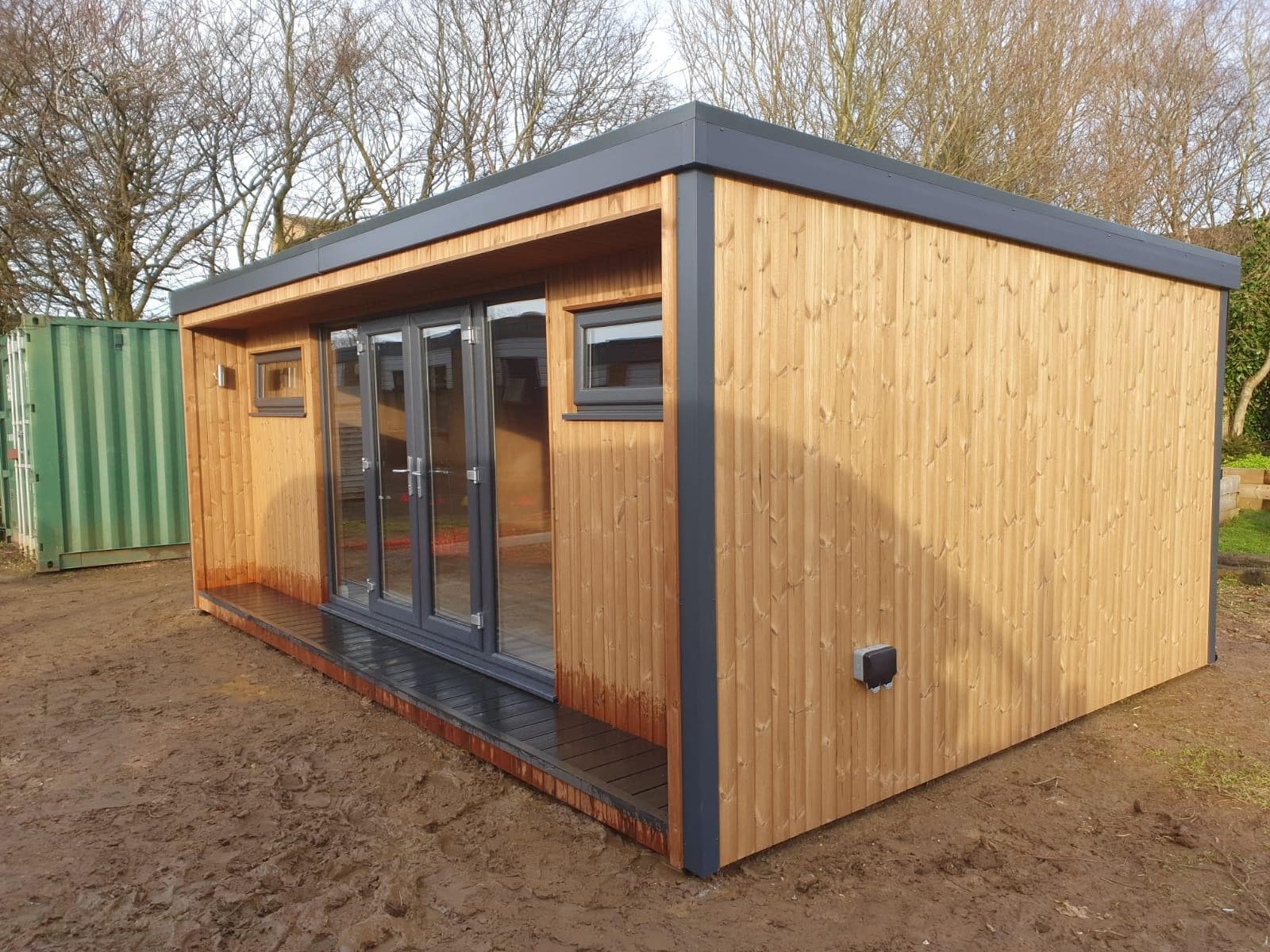
Create the Perfect Space for DIY, Woodworking, Hobbies and Creative Projects
A garden workshop is much more than somewhere to keep tools and equipment. It's a dedicated space where you can create, repair, restore, experiment and enjoy the satisfaction of working on your own projects.
Whether you're an enthusiastic DIYer, an experienced woodworker, a keen model maker or someone who simply enjoys practical hobbies, having a purpose-designed workshop in your garden can transform the way you spend your spare time.
For many homeowners, finding suitable space for hobbies and projects is an ongoing challenge. Garages become overcrowded, spare bedrooms are needed for other purposes, and working at the kitchen table is rarely practical when tools, materials and unfinished projects are involved.
A dedicated garden workshop solves many of these problems by providing a permanent working environment just a few steps from your home.
Modern garden workshops can accommodate everything from compact workbenches and hand tools to larger equipment, storage systems and specialist machinery. With careful planning, even a relatively small workshop can become an exceptionally practical and enjoyable space.
In this comprehensive guide, we'll explore the many uses for garden workshops, how to plan an efficient layout, choosing the right equipment, organising tools, managing dust and noise, and creating a workspace that suits your particular interests.
We'll also explain how a purpose-built Oeco Garden Workshop can provide a comfortable and practical environment for enjoying your projects throughout the year.
Why Have a Dedicated Garden Workshop?
One of the greatest advantages of owning a garden workshop is having a space that belongs entirely to your projects and interests.
Many people begin their hobbies using whatever space is available. A garage corner becomes a woodworking area, a dining table doubles as a craft bench, or the garden shed gradually fills with tools and equipment.
Although these arrangements may work initially, they often become frustrating as projects grow more ambitious.
Having a permanent workshop allows you to organise equipment properly, keep materials close at hand and leave unfinished work in place until you're ready to continue.
There's no need to repeatedly unpack tools, move furniture or clear everything away at the end of each session.
A garden workshop can also help separate potentially messy activities from the main house. Sawdust, paint, glue, lubricants and other workshop materials are much easier to manage in a dedicated working environment.
Perhaps most importantly, having your own workshop makes it easier to find time for the activities you enjoy.
When everything is ready and waiting, even an hour of spare time can become an opportunity to make progress on a project.
Garden Workshops for Woodworking
Woodworking is one of the most popular activities associated with garden workshops.
From making simple shelves and planters to producing furniture, cabinets and decorative items, woodworking offers an almost endless variety of projects.
A dedicated woodworking workshop provides space for cutting, shaping, assembling and finishing timber without taking over your garage or home.
Creating a Practical Woodworking Area
A sturdy workbench is usually the centrepiece of a woodworking workshop.
Ideally, it should provide a stable working surface, sufficient space for larger projects and convenient access to frequently used tools.
A woodworking vice can be particularly useful for holding timber securely while cutting, drilling, planing or sanding.
Wall-mounted tool racks and shelves help keep hand tools organised, while drawers and cupboards provide storage for smaller accessories.
If you regularly work with long lengths of timber, consider how materials will move through the workshop and whether you have sufficient clearance around your equipment.
Choosing Woodworking Tools
The equipment required depends on the type of woodworking you enjoy.
Beginners may only need a selection of hand saws, chisels, clamps, drills, measuring tools and a suitable workbench.
More experienced woodworkers may use mitre saws, routers, sanders, pillar drills and other specialist machinery.
Before introducing larger equipment, consider the space needed for safe operation, electrical requirements and suitable dust extraction.
A well-organised workshop with carefully selected tools is often more useful than a crowded space containing equipment that rarely gets used.
Garden Workshops for DIY and Home Improvements
For homeowners who enjoy maintaining and improving their properties, a garden workshop can be an invaluable addition.
Instead of searching through cupboards, garages and sheds for tools, everything can be stored in one organised location.
A dedicated DIY workshop provides space for preparing materials, repairing household items and completing small construction projects.
Popular activities include making shelves, repairing furniture, assembling cabinets, preparing timber, maintaining garden equipment and undertaking decorative projects.
Having a permanent workbench makes these tasks easier and more convenient.
You can also organise screws, nails, fixings and other consumables into clearly labelled containers, saving time and reducing unnecessary purchases.
For enthusiastic DIYers, a garden workshop can gradually become the central location for almost every practical project around the home.
Garden Workshops for Furniture Restoration
Restoring old furniture is an increasingly popular hobby that combines craftsmanship, creativity and the satisfaction of giving unwanted items a new lease of life.
A garden workshop provides a dedicated area for stripping, repairing, sanding and refinishing furniture.
Whether you're restoring a vintage chest of drawers, repairing an antique chair or transforming an old table, having sufficient working space makes the process considerably easier.
Large workbenches or movable tables are useful for supporting furniture while it is being worked on.
Shelving can accommodate paints, brushes, hardware and restoration materials, while separate storage helps protect completed pieces.
Good ventilation is particularly important when using paints, adhesives, solvents or finishing products. Appropriate extraction and manufacturer safety instructions should always be followed.
For people who regularly buy and restore second-hand furniture, a garden workshop can also provide space to develop their hobby into a small business.
Garden Workshops for Model Making and Miniature Projects
Model making is another activity that benefits enormously from a dedicated workspace.
Whether your interests include model railways, aircraft, ships, miniature buildings, remote-controlled vehicles or detailed scale models, having a permanent working area allows projects to develop without constant interruption.
Model makers often require numerous small tools, paints, adhesives, components and delicate materials.
A workshop fitted with drawers, shelves and compartment organisers can keep everything neatly arranged and easy to locate.
Good task lighting is especially important when working on detailed models.
Adjustable desk lamps and magnifying lights can make precision work more comfortable.
For model railway enthusiasts, a larger garden workshop may even provide sufficient space for a permanent railway layout.
This allows elaborate track systems, scenery and electrical controls to remain assembled rather than being dismantled between sessions.
Garden Workshops for Bicycle Maintenance
Cycling enthusiasts can benefit from having a dedicated area for bicycle maintenance, repairs and upgrades.
A garden workshop provides somewhere to clean, inspect and maintain bicycles without occupying the garage or bringing dirty equipment into the house.
A wall-mounted or freestanding bicycle repair stand makes many maintenance tasks easier by supporting the bicycle at a convenient working height.
Storage hooks and racks can keep spare wheels, tyres, helmets and cycling accessories organised.
A small workbench provides space for tools, replacement components and cleaning equipment.
For households with several bicycles, a garden workshop can also provide valuable storage while keeping everything readily accessible.
Whether you're maintaining a road bike, mountain bike or family bicycles, a dedicated workshop can make routine maintenance much more convenient.
Garden Workshops for Arts and Crafts
Not every garden workshop needs to contain power tools or heavy machinery.
Many people use workshops for creative hobbies that require generous work surfaces, organised storage and somewhere to leave projects undisturbed.
Popular activities include pottery, jewellery making, leatherwork, sewing, candle making, picture framing and decorative crafts.
The ideal layout depends on the materials and techniques involved.
A jewellery maker may prefer a compact bench with excellent lighting and numerous small storage compartments.
Someone making larger decorative items may benefit from a substantial central table and open shelving.
Pottery and ceramics can require additional consideration for water, ventilation, kiln installation and electrical capacity.
A garden workshop offers the freedom to arrange the space around your chosen activity rather than adapting your hobby to the limitations of an existing room.
Garden Workshops for Small Businesses
For some people, a garden workshop begins as a hobby space and gradually develops into a small business.
Handmade furniture, personalised gifts, craft products, jewellery and decorative items can all be produced from a suitable home workshop.
Having a dedicated workspace allows you to separate business activities from everyday household life.
It also provides somewhere to organise materials, prepare orders, package finished products and store stock.
A garden workshop can be particularly attractive to people starting a small business who do not yet require commercial premises.
However, business activities may introduce additional considerations, particularly where machinery, regular deliveries, employees or visiting customers are involved.
Before operating a business from a garden workshop, check any relevant planning, insurance and business requirements.
Planning the Perfect Garden Workshop Layout
The success of a garden workshop often depends less on its overall size and more on how effectively the available space is organised.
A carefully planned workshop can make everyday tasks easier, reduce clutter and improve safety.
Before deciding where to position workbenches, cupboards and equipment, consider the activities you'll undertake most frequently.
Create Separate Working Zones
Dividing your workshop into different activity areas can make the space more efficient.
For example, a woodworking workshop might have one area for cutting materials, another for assembly and a separate section for tool storage.
A craft workshop could include a main working table, shelving for supplies and a clean area for packaging completed projects.
Keeping related activities together reduces unnecessary movement around the workshop.
Position Workbenches Carefully
Workbenches should be positioned to provide sufficient room for the projects you intend to undertake.
A bench against a wall is useful for smaller workshops because it leaves the central floor area clear.
For larger spaces, a freestanding workbench can provide access from several sides.
Consider the location of electrical sockets, windows and lighting before finalising the arrangement.
Allow Space Around Equipment
Power tools and machinery often require more operating space than their physical dimensions suggest.
A mitre saw, for example, may need additional clearance on either side for longer pieces of timber.
Similarly, larger woodworking machines require safe access and sufficient room for handling materials.
Always follow the equipment manufacturer's recommended clearances and operating instructions.
Choosing the Right Garden Workshop Size
Garden workshops are available in a wide variety of sizes, from compact hobby spaces to substantial buildings accommodating multiple workstations.
Choosing the correct size is important because equipment, workbenches and storage can quickly occupy the available floor area.
Small Garden Workshops
A workshop measuring approximately 3m x 3m can provide a useful space for hand tools, a workbench and compact storage.
This size may be suitable for model making, bicycle repairs, craft activities and general DIY.
Wall-mounted storage can help maximise the available working area.
Medium Garden Workshops
A 4m x 3m or 5m x 3m workshop provides greater flexibility for larger workbenches, additional equipment and material storage.
These sizes are particularly attractive for woodworking, furniture restoration and more ambitious DIY projects.
Large Garden Workshops
Larger workshops measuring 6m x 3m or more can accommodate several working zones, substantial storage and specialist equipment.
They may be particularly suitable for enthusiastic woodworkers, furniture makers and people running small craft businesses.
Remember that quoted building dimensions are generally external measurements, so the usable internal space will be smaller.
When choosing your workshop size, consider not only your current equipment but also how your interests may develop in the future.
Garden Workshop Storage Ideas
Good storage is one of the most important features of a practical workshop.
Without an organised system, even a large workshop can quickly become cluttered and difficult to use.
Wall-Mounted Tool Storage
Pegboards, tool racks and wall-mounted holders allow frequently used equipment to remain visible and accessible.
This is particularly useful for hand tools such as screwdrivers, spanners, pliers and measuring equipment.
Shelving and Storage Cupboards
Strong shelving provides space for materials, containers and equipment that does not need to remain on the workbench.
Closed cupboards can help protect delicate tools and materials from dust.
Drawer Organisers
Small drawers and compartment organisers are ideal for screws, nuts, bolts, electrical connectors and other small components.
Clearly labelled containers make it easier to locate items and maintain stock.
Mobile Tool Cabinets
Wheeled tool cabinets can be particularly useful in larger workshops because equipment can be moved to wherever it is needed.
When designing storage, remember that heavy items should generally be kept at lower levels, and shelves and cupboards must be securely supported and fixed appropriately.
Managing Dust, Noise and Ventilation
Many workshop activities produce dust, noise, fumes or airborne particles, so it is important to plan suitable controls.
Woodworking equipment can generate considerable quantities of fine dust, particularly when cutting, routing and sanding timber.
A suitable dust extraction system can help capture dust close to where it is produced.
For activities involving hazardous wood dust, appropriate local exhaust ventilation and respiratory protection may be required.
Paints, adhesives and solvents can introduce additional ventilation requirements.
Noise is another consideration, especially when using power tools in a residential garden.
Positioning noisy equipment away from neighbouring properties, keeping doors closed where practical and limiting particularly noisy activities to reasonable hours can help reduce disturbance.
Standard thermal insulation does not make a building soundproof. If substantial noise reduction is required, specialist acoustic measures may be necessary.
A well-planned workshop should be comfortable for its occupants while remaining considerate of neighbouring households.
Garden Workshop Lighting
Good lighting is essential for accurate, safe and enjoyable workshop activities.
Natural daylight is particularly useful for detailed tasks, colour matching and inspecting finished work.
Windows can make a workshop feel brighter and more welcoming, although their position should be considered alongside workbenches and storage.
Artificial lighting should provide even illumination across the main working areas.
LED ceiling lights offer an efficient source of general lighting, while adjustable task lamps can provide additional illumination where precision is required.
For woodworking and machinery, it is important to avoid shadows across cutting areas and moving equipment.
A combination of general lighting and focused task lighting is often the most practical solution.
Electrical Power and Workshop Equipment
The electrical requirements of a garden workshop depend on the tools and machinery you intend to use.
A workshop used for hand tools, model making and occasional DIY may require relatively modest electrical capacity.
However, larger machinery, dust extraction systems, compressors and electric heating can increase the demand considerably.
Before installing specialist equipment, consider the combined electrical load and whether dedicated circuits or additional electrical provision will be required.
Avoid relying on overloaded extension leads or multiple adaptors.
All electrical installations should be designed and tested by appropriately qualified professionals, with suitable protection for the equipment and environment.
If your workshop may eventually accommodate larger machinery, planning electrical capacity in advance can avoid unnecessary alterations later.
Heating Your Garden Workshop
A comfortable working environment can make a significant difference to how often you use your workshop.
Cold conditions can make detailed work uncomfortable, particularly when handling small components or working on projects requiring precision.
A fully insulated garden workshop with suitable heating can provide a more pleasant environment throughout the year.
Electric panel heaters offer convenient temperature control for many hobby workshops.
For larger spaces, other heating options may be worth considering depending on the intended use and electrical provision.
Avoid using unsuitable portable combustion heaters, particularly where dust, solvents, flammable materials or inadequate ventilation could create safety risks.
Good temperature control can also help protect certain tools, materials and unfinished projects from excessive humidity and temperature fluctuations.
Garden Workshop Security
Tools, machinery and specialist equipment can represent a substantial investment.
A dedicated garden workshop should therefore be planned with security in mind.
Strong doors, suitable locks and secure windows are important considerations.
Keeping expensive equipment out of direct view can also help reduce unwanted attention.
External security lighting and suitable alarm systems may provide additional reassurance.
For particularly valuable tools or machinery, check that your home insurance provides adequate cover for equipment stored in an outbuilding.
Business equipment may require separate insurance arrangements.
Maintaining an inventory of valuable tools, including photographs and serial numbers, can also be useful.
Creating a Safe Garden Workshop
Safety should always be a priority when designing and using a garden workshop.
Keep floors clear of trailing cables, loose materials and unnecessary clutter.
Ensure workbenches are stable and that tools are stored securely when not in use.
Suitable eye protection, hearing protection and respiratory protection should be available where required.
Machinery should be operated in accordance with manufacturers' instructions, with guards and safety devices kept in place.
Appropriate fire precautions are also important, particularly where electrical equipment, timber dust, paints or flammable materials are present.
Provide suitable fire detection and firefighting equipment following an assessment of the workshop's activities and risks.
Where chemicals or flammable products are used, follow the relevant storage and handling instructions.
A clean, organised and well-maintained workshop is generally a safer and more enjoyable place to work.
Garden Workshops for Retirement and Leisure
For many people, retirement provides an opportunity to spend more time enjoying practical hobbies and creative interests.
A garden workshop can become a particularly rewarding addition to the home, offering a dedicated space for activities that may previously have been restricted by work commitments.
Woodworking, furniture restoration, model making and craft projects can provide enjoyable challenges and a sense of achievement.
Having a permanent workspace also makes it easier to develop new skills or return to interests that have been neglected for years.
A comfortable garden workshop can provide somewhere to spend a few enjoyable hours without travelling away from home.
Whether you're creating handmade gifts, restoring furniture or simply enjoying the satisfaction of making something yourself, a dedicated workshop can become an important part of everyday leisure.
Can a Garden Workshop Be Used for More Than One Hobby?
Absolutely. Many people enjoy several hobbies and would benefit from a flexible workshop layout.
A woodworking enthusiast may also repair bicycles, restore furniture or undertake household DIY.
Similarly, someone interested in crafts may need space for painting, model making and assembling projects.
Movable workbenches, modular shelving and mobile storage cabinets can make it easier to adapt the workshop to different activities.
Where particularly dusty or messy tasks are involved, it may be useful to separate them from cleaner activities.
For example, sanding timber and painting delicate models are best undertaken in different areas or at different times, with appropriate cleaning and ventilation between activities.
A flexible layout helps ensure your garden workshop remains useful as your interests evolve.
Garden Workshops vs Traditional Garden Sheds
Although garden sheds can provide useful storage, they are not always ideal for spending extended periods working on projects.
Traditional sheds are generally designed primarily for storing gardening equipment, bicycles and household items.
A purpose-designed garden workshop places greater emphasis on usable working space, lighting, electrical provision, tool organisation and comfort.
For people who regularly undertake DIY, woodworking or craft activities, these differences can be significant.
Having sufficient room to move around equipment, work at a proper bench and store materials safely can make projects easier and more enjoyable.
If your main requirement is simply somewhere to store gardening tools, lawnmowers, bicycles and outdoor equipment, a traditional garden shed may be perfectly adequate.
However, if you intend to spend several hours working on projects, using machinery or enjoying practical hobbies, a dedicated garden workshop is generally the more suitable choice.
A Space Designed for Working, Not Just Storage
The biggest difference between a garden shed and a garden workshop is how the available space is used.
A conventional shed often becomes filled with stored items, leaving little room for a proper workbench or comfortable movement.
A garden workshop, by contrast, can be organised around the activities you enjoy.
Workbenches can be positioned at convenient heights, tools can be arranged within easy reach, and materials can be stored without obstructing the main working area.
This creates a more efficient environment where projects can remain in progress without constantly having to move equipment or clear working surfaces.
Greater Comfort for Longer Projects
Many traditional garden sheds are not intended for extended periods of occupation, particularly during colder weather.
A fully insulated garden workshop offers a more comfortable environment for people who regularly spend time woodworking, repairing equipment or pursuing creative hobbies.
With suitable heating, lighting and ventilation, a garden workshop can be used throughout the changing seasons.
This is particularly beneficial for projects that require several hours of concentration or involve delicate materials and precision work.
Better Organisation for Tools and Equipment
A dedicated workshop provides opportunities for more sophisticated storage arrangements than a conventional garden shed.
Wall-mounted tool racks, fitted shelving, drawer organisers, cupboards and mobile tool cabinets can all help create an efficient working environment.
Larger workshops can also accommodate specialist equipment, provided sufficient space and suitable electrical arrangements are available.
Having a designated place for every tool makes it easier to keep the workspace organised and reduces time spent searching for equipment.
Choosing the Right Building for Your Needs
Ultimately, the choice between a garden shed and a garden workshop depends on how you intend to use the building.
If storage is your main priority, a garden shed may offer the simplest and most economical solution.
If you regularly undertake DIY, woodworking, furniture restoration, model making or other practical hobbies, investing in a dedicated garden workshop can provide considerably greater flexibility and enjoyment.
For customers seeking a comfortable, practical workspace designed around their hobbies and projects, our Oeco Garden Workshops offer a purpose-built alternative to a traditional garden shed.
10 Frequently Asked Questions About Garden Workshops
1. What Are the Most Popular Uses for a Garden Workshop?
Garden workshops are ideal for a wide variety of practical hobbies and creative activities. Some of the most popular uses include woodworking, furniture restoration, DIY projects, bicycle maintenance, model making, arts and crafts, and repairing household equipment.
Many people also use garden workshops for producing handmade products, restoring vintage items or developing a hobby into a small business.
The main advantage is having a dedicated workspace where tools, materials and unfinished projects can remain organised and ready for use.
2. How Should I Plan the Layout of a Garden Workshop?
A good garden workshop layout should provide sufficient working space, convenient storage and safe access around tools and equipment.
Start by positioning your main workbench where it benefits from natural daylight and suitable electrical sockets. Keep frequently used tools within easy reach and consider wall-mounted shelving to maximise floor space.
For larger workshops, creating separate areas for cutting, assembly, repairs and storage can improve efficiency.
Always allow sufficient clearance around machinery and workbenches, particularly when handling longer materials.
3. What Equipment Do I Need for a Woodworking Workshop?
The equipment required depends on the type of woodworking you intend to undertake.
For beginners, a sturdy workbench, woodworking vice, hand saws, chisels, clamps, measuring tools and a cordless drill provide an excellent starting point.
More experienced woodworkers may wish to include mitre saws, routers, sanders, pillar drills and specialist woodworking machinery.
Suitable dust extraction, lighting and tool storage are also important considerations.
It is generally better to start with essential equipment and gradually expand your collection as your skills and projects develop.
4. What Is the Best Workbench Size for a Garden Workshop?
The ideal workbench size depends on your available space and the projects you intend to undertake.
For general DIY and smaller woodworking projects, a workbench approximately 1.2m to 1.8m long and 600mm to 750mm deep provides a practical working surface.
Larger woodworking projects may benefit from a bench measuring 2m or more in length.
Workbench height is equally important and should suit your height and the type of work involved.
A sturdy, stable bench with convenient tool storage can become the most useful feature of your entire workshop.
5. How Can I Control Dust in a Garden Workshop?
Dust management is particularly important in workshops used for woodworking, sanding and cutting materials.
Connecting suitable dust extraction equipment directly to power tools can help capture airborne particles close to their source.
A dedicated extraction system may be beneficial when using larger woodworking machinery.
Regular cleaning with an appropriate industrial vacuum is preferable to sweeping or blowing fine dust into the air.
For activities producing hazardous dust, suitable local exhaust ventilation and respiratory protection may also be required.
Effective dust control helps maintain a cleaner, safer and more comfortable working environment.
6. How Can I Reduce Noise from My Garden Workshop?
Noise can be an important consideration when using power tools and machinery in a residential garden.
Positioning noisy equipment away from neighbouring properties and keeping doors and windows closed during particularly loud activities can help reduce disturbance.
Rubber anti-vibration mounts may also help limit vibration transmitted through equipment and workbenches.
For workshops involving frequent or prolonged use of noisy machinery, specialist acoustic insulation or soundproofing measures may be worth considering.
It is important to remember that standard thermal insulation does not provide the same level of noise reduction as purpose-designed acoustic construction.
7. What Is the Best Way to Organise Tools in a Garden Workshop?
An organised workshop makes projects easier, saves time and helps prevent tools from becoming damaged or misplaced.
Wall-mounted pegboards and tool racks are excellent for frequently used hand tools, while drawers and compartment organisers provide convenient storage for screws, fixings and smaller accessories.
Shelving and cupboards can accommodate larger equipment and materials.
Mobile tool cabinets are particularly useful when working on different projects throughout the workshop.
Keeping frequently used tools close to your main workbench and clearly labelling storage containers can make a significant difference to everyday efficiency.
8. Can I Use a Garden Workshop for Several Different Hobbies?
Absolutely. A garden workshop can be designed to accommodate several hobbies and practical activities within the same building.
For example, a workshop used primarily for woodworking may also provide space for bicycle repairs, furniture restoration, model making or general DIY.
Movable workbenches, modular shelving and mobile tool storage can make the space easier to adapt.
If you enjoy both dusty activities and delicate crafts, consider separating these tasks into different working areas or carrying them out at different times.
A flexible workshop layout allows the building to evolve as your interests change.
9. Can I Turn My Garden Workshop Hobby into a Small Business?
Yes. Many small businesses begin with hobbies such as woodworking, furniture restoration, jewellery making, model building and producing handmade gifts.
A garden workshop can provide a dedicated environment for creating products, organising materials, storing stock and preparing customer orders.
Working from home may also reduce the expense of renting separate commercial premises.
However, depending on the nature of the business, you may need to consider planning permission, insurance, business rates and relevant health and safety requirements.
A carefully organised workshop can provide an excellent starting point for developing a small home-based business.
10. How Can I Make My Garden Workshop More Enjoyable to Use?
Creating an enjoyable workshop involves more than simply having the right tools and equipment.
Good lighting, comfortable working temperatures, effective ventilation and organised storage all contribute to a better working environment.
Consider adding a comfortable chair, a small area for planning projects and suitable shelving for books, drawings or reference materials.
Personal touches such as artwork, a radio or attractive interior finishes can also make the space more welcoming.
Most importantly, design your workshop around the activities you genuinely enjoy, creating somewhere you'll look forward to spending time.
Discover our range of Oeco Garden Workshops and create a dedicated space for your projects and hobbies.
- Environmental Policy
- Exterior Specifications
- Interior Specifications
- Ready to Order
- Planning Permission
- Building Regulations
- Soundproof Garden Rooms
- Garden Workshop Guide
- Garden Studio Guide
- Garden Shed Guide
- Garden Sauna Guide
- Garden Room Guide
- Garden Pod Guide
- Garden Office Guide
- Garden Lodge Guide
- Garden Annex Guide
- Affiliate Referral Programme